
Hospitality Outperforms as Card Spending Growth Slows to 1.0% in February
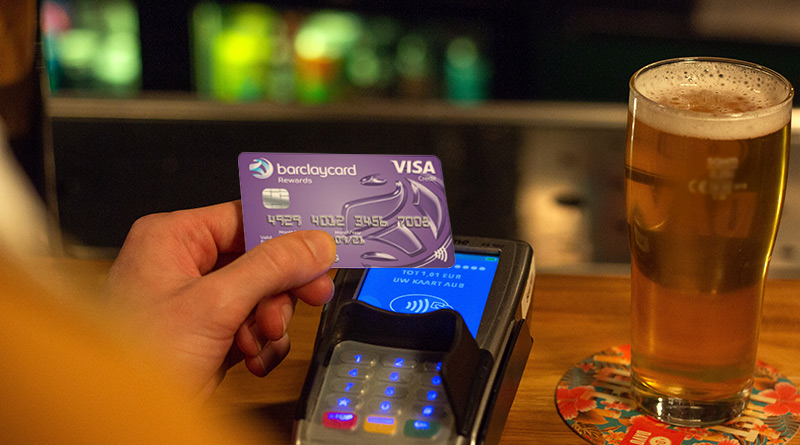
The UK’s licensed on-trade and restaurant sector delivered a standout performance in February, outpacing wider consumer spending trends despite growing economic uncertainty among British consumers, according to new data from Barclays.
While overall consumer card spending grew just 1.0 per cent last month — below the CPIH inflation rate of 3.2 per cent — the eating and drinking-out sector significantly outperformed.
Bars, pubs and clubs recorded growth of 3.3 per cent, restaurants, cafes and bakeries were up 2.9 per cent, and the overall eating and drinking category rose 2.4 per cent. Takeaway and fast food operators saw more modest growth of 1.3 per cent, with nearly a quarter of consumers (23 per cent) saying they are actively cutting back on fast food and takeaways for health reasons.
The figures will provide welcome encouragement for on-trade operators navigating a challenging cost environment, and suggest that British consumers continue to prioritise eating and drinking out even as household budgets come under pressure.
Consumer confidence edged down two percentage points to 23 per cent last week, having stood at 25 per cent at the end of February. Despite this, there are tentative signs of a domestic mood shift — for the first time since July 2025, more consumers reported greater confidence in the UK economy than the global economy.
That cautious optimism is being tempered, however, by mounting concerns over global instability. Four in five consumers (82 per cent) are worried about the impact of Middle East tensions on fuel costs, with energy bills (81 per cent) and inflation (78 per cent) also front of mind. Food prices are a concern for 76 per cent of respondents, while 59 per cent fear a direct negative impact on their household finances.
Nearly half of all consumers (46 per cent) say they are already taking action, with measures including cutting energy consumption (16 per cent), reducing discretionary spending (13 per cent), building savings buffers (10 per cent) and delaying major purchases (10 per cent).
Operators may also wish to take note of shifting consumer attitudes towards food. One in five consumers (19 per cent) say they would like to see more nutritionally-dense meals and snacks on menus, and a similar proportion (20 per cent) have noticed more GLP-1-friendly options being advertised. However, awareness does not yet translate to understanding — 49 per cent say they are confused by the term “GLP-1-friendly” on food packaging, and 44 per cent view smaller-portioned products as poor value for money.
Karen Johnson, Head of Retail at Barclays, said: “February’s data highlights the careful balancing act shoppers face in navigating rising costs amidst global uncertainty. While we’re seeing a continued appetite to spend on categories such as entertainment and wellness – obtaining value for money and savvy spending will remain a strong focus in the months ahead.”