
Putting the Gen Z in Veganuary
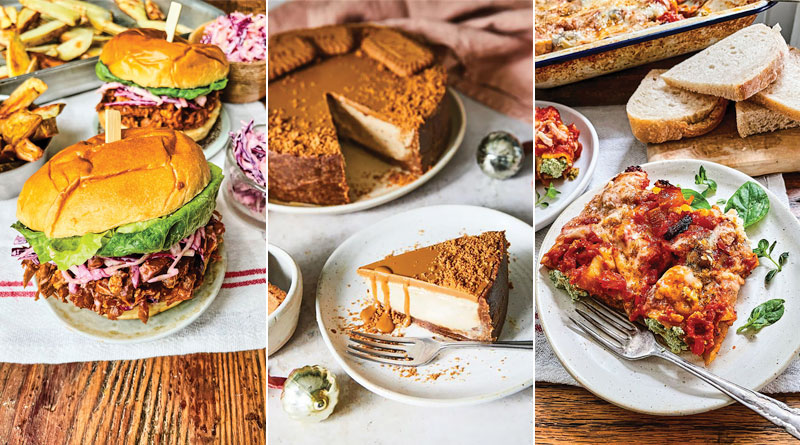
Veganuary remains a valuable commercial opportunity for foodservice operators, offering a defined annual moment to trial new dishes, attract younger, more diverse consumer demographics and demonstrate leadership in the plant-based space. However, poorly executed vegan offerings risk alienating customers and undermining brand credibility – particularly among Gen Z, a demographic that increasingly influences food trends and purchasing decisions.
Drawing on insights from Vegan Recipe Club (VRC), the dedicated food and cookery arm of the UK’s largest vegan campaigning charity, Viva!, here are five key considerations for operators looking to capitalise on Veganuary in 2026 and beyond.
1. Balance flavour with functionality
Gen Z (born 1995–2009) is playing a significant role in shaping demand within the vegan and plant-based category. Alongside Millennials, this cohort shows strong interest in foods that deliver functional health benefits without compromising on taste. With around 30 per cent of Gen Z reporting regular engagement in fitness activities, protein content and nutritional balance are key considerations.
Veganuary menus should therefore highlight plant-based protein powerhouses such as tofu, seitan and tempeh, which support muscle growth and maintenance as well as satiety, while balanced dishes incorporating moderate amounts of carbohydrates and healthy plant-based fats are also particularly appealing.
Additional elements such as nuts and seeds for texture or a creamy lemon tahini dressing can elevate a plant-based dish while keeping the ingredients functional and healthful.
Fermented ingredients such as tempeh, kimchi and sauerkraut offer digestive health benefits, while non-alcoholic drink options such as kombucha can add value through considered suggested pairings.
Sales data suggests that plant-based proteins such as tofu and tempeh are enjoying a period of strong growth, so early adopters should consider keeping them on the menu beyond January to capitalise on the trend.
2. Avoid tokenistic vegan options
One of the most common criticisms from vegan consumers is plant-based dishes that feel like afterthoughts – for example, meat-based meals with the animal ingredients simply removed (but with the price tag unchanged) or uninspired salads and pasta dishes that most could whip up at home.
Even a limited number of vegan menu items should be developed with the same care as core dishes. Experimentation with bold flavours, textures and plant-based ingredients can help you create distinctive options that appeal to all diners. Resources such as VRC’s Easy Vegan Catering Guide can support chefs in creating delicious, innovative dishes without compromising on quality.
While Gen Z is an important demographic to target, so-called Baby Boomers tend to have more disposable income for eating out, and flexitarians – people reducing their meat consumption – are growing in numbers. While functional wholefoods such as tempeh and tofu might be a little too unfamiliar for their tastes, popular traditional dishes can be veganised very easily.
When it comes to Baby Boomers and flexitarians, don’t be afraid to use vegan meat and dairy alternatives, which are available from most good wholesalers, including Brakes. A vegan burger topped with plant-based cheese, bacon and mayonnaise, inside a vegan brioche bun, will be practically indistinguishable from a meat-based version and tempting to even the most ardent omnivore.
And if a meat-based version of a dish would ordinarily come topped with cheese or with a dipping sauce on the side, you need to make sure your Veganuary customers are given those same extras – or you risk them feeling neglected.
Finally, don’t forget to offer dessert options, such as VRC’s no-bake Biscoff vegan cheesecake. Plant-based creams, ice creams and custards are also widely available from wholesalers.
3. Communicate sustainability credentials
Sustainability remains a priority for both Millennials and Gen Z, with plant-based diets widely recognised as having a lower environmental impact than meat- and dairy-heavy foods. This should be a major talking point when it comes to your business’ participation in Veganuary; increasingly, consumers expect companies to demonstrate transparency around their environmental footprint and will look favourably on those that lead from the front on mitigation strategies.
Carbon calculators can help operators quantify and communicate the environmental benefits of vegan dishes, positioning plant-based options as part of a broader sustainability plan. Tools such as Cool Food Pro, supported by the Soil Association, enable caterers to benchmark emissions reductions; notably, 77 per cent of carbon savings achieved through the platform are linked to reduced meat usage and consumption.
4. Price for accessibility
Economic pressures continue to influence consumer behaviour, making value for money a critical factor in dining decisions. If operators want to drive footfall during the traditionally quieter post-Christmas period, Veganuary menus must be competitively priced.
Promotions such as percentage discounts on vegan dishes throughout January can encourage non-vegan customers to make a booking. Longer term, plant-based dishes should be some of the most affordable items on the menu, reflecting lower ingredient costs and aligning with Gen Z’s value-driven purchasing habits.
5. Leverage visual and social appeal
Gen Z’s relationship with food is closely tied to social media, where visually striking dishes and compelling stories drive engagement. For operators, this presents an opportunity to generate organic exposure through thoughtful presentation and provenance-led storytelling. Whether it’s locally sourced produce, house-made plant-based cheeses or high-protein vegan dishes that rival meat equivalents, clear talking points can encourage user-generated content and influencer coverage.
Don’t neglect the names of your Veganuary options either. Dull, uninspired dish descriptions won’t sway customers and will give the impression of bland fare. Give each dish a name that reflects the care and consideration that have gone into them.
In an increasingly competitive market, making vegan dishes both visually and conceptually distinctive can significantly extend their reach beyond the plate – and have diners reaching for their gimbals.