
NTIA Warns Government Is Allowing Its £160bn Night-Time Economy Collapse
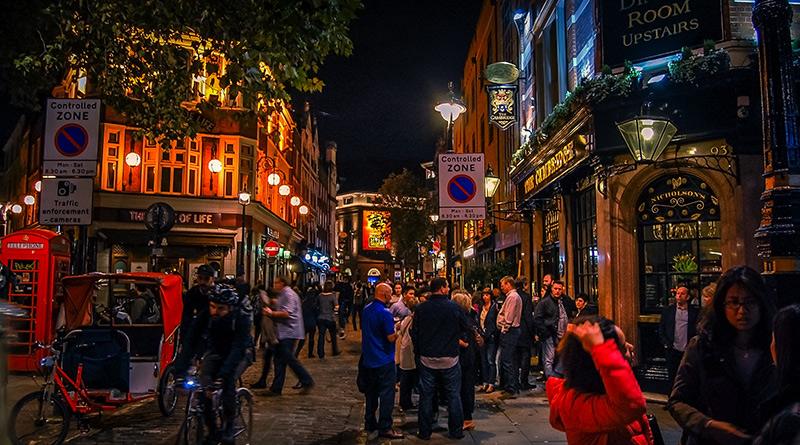
Britain has lost over a quarter (28%) of its late-night economy, tens of thousands of jobs, and a growing share of its global cultural identity, and it is still happening.
New findings from the NTIA Night Time Economy Market Monitor, produced in conjunction with NIQ, show that 2025 marks a critical breaking point for the UK’s night time economy, with closures accelerating, productivity stalling and confidence draining from town and city centres after dark.
The scale of the damage:
- Late-night venues fell by 4.1% in 2025
- The late-night economy is now 28.2% smaller than before COVID
- Nightclubs have declined by more than 35% since 2020
- Late-night bars fell by 4.9% in a single year
- Over 75,000 jobs lost across 2024–25
- Real-terms night time spending remains 10% below 2019
- Productivity growth stalled at just 1.5%
- Over 2 million jobs remain dependent on the night time economy
The night time economy generates nearly £160 billion annually, underpins the UK’s visitor economy, supports music, culture and the creative industries, and provides large-scale employment for young people.
Yet the Monitor shows a sector trapped in a vice:
- Rising labour, energy and compliance costs
- Falling footfall and volume sales
- Late-night transport and safety failures
- A tax burden designed for stability, not survival
Growth in 2025 was driven by price inflation, not demand, with food and drink volumes falling by up to 6%. Businesses are absorbing costs they cannot pass on, and closing as a result.
Andy Burnham, Mayor of Greater Manchester showed support for the sector at the Night Time Economy Summit saying:
“I would argue for a VAT rate more consistent with what you find in Europe because of the social value that your businesses bring to places and towns that need that life injected into them.” He also said “I personally would permanently support a lower business rates regime for hospitality businesses for exactly the same reason.”
Rt.Hon Angela Rayner also stated in her keynote speech at the summit:
“This isn’t about special treatment. It’s about creating a shared tax burden and an equitable environment.” adding “National Insurance contributions for employers. And the business rates valuation system, which too often fails to reflect how modern, cultural, night-time businesses actually operate.”
Green Party Leader Zack Polanski, who also attended the summit said:
“I’m here today because people are really struggling, their bills are going up and wages are not rising and this is particularly hitting the night time industries. They’ve been affected by a series of catastrophic decisions by the Government, from business rates to the rise in National Insurance and actually what we need to be doing is supporting workers and the night time economy, by not supporting multi millionaires and billionaires, but supporting small businesses and medium businesses that just trying to get by.”