
Chancellor’s “Lowest Tax Rates Since 1991” Claim Debunked
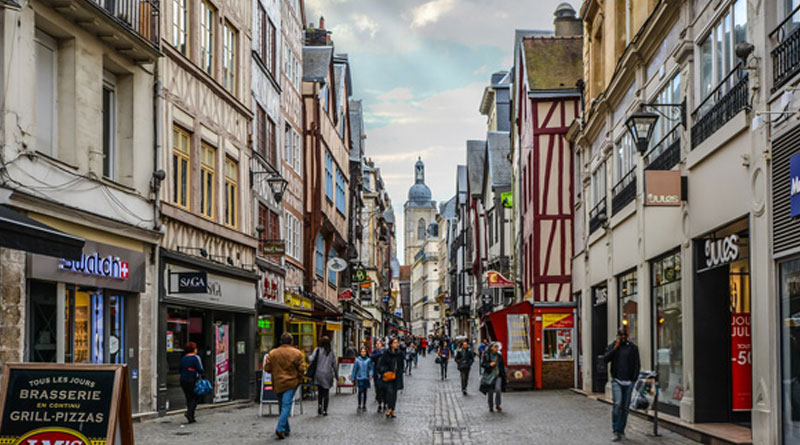
Chancellor Rachel Reeves’ claim that the Autumn Budget delivers the “lowest tax rates since 1991” for more than 750,000 retail, hospitality and leisure properties has been called misleading, after detailed analysis of the new business rates system showed most high-street premises will pay far higher rates than the headline suggests amid support for the high street falling by £420 million next year.
Reeves told MPs she would introduce “lowest tax rates since 1991” for the high street using “tax rates” in the plural but only one of the new multipliers is even close to the level seen in 1991 which will apply to only the smallest properties with much higher effective tax rates for the rest of the high street.
The Chancellor’s comparison hinges on the new 38.2p multiplier for Retail, Hospitality and Leisure (RHL) properties with a rateable value between £12,000 and £51,000.
But Treasury costings also show that any property not receiving transitional relief will also have to pay a 1p supplement on top of those rates in a £785 million tax grab, meaning thousands of small RHL premises will actually face a 39.2p rate not the 38.2p highlighted in the Budget speech.
Whilst medium and large premises on high streets, the tax rates increase sharply:
- £51,000–£500,000 RV: taxed at 43p, or 44p with the 1p supplement – nowhere near 1991 levels.
- Over £500,000 RV: taxed at 50.8p, or 51.8p with the supplement among the highest business rates multipliers ever applied, and more than 12p higher than the 38.6p national rate used in 1991/92.
- Under £12,000 RV: majority of RHL properties pay no business rates at all under Small Business Rate Relief, making the 1991 comparison irrelevant for them.
Support for the high street also falls by £420 million next year in a further contrast with the Chancellor’s messaging according to global tax firm Ryan.
The current 40% RHL discount, capped at £110,000 per business, will cost the Exchequer £1.385 billion in 2025/26. From April 2026 it will be replaced by a system in which RHL multipliers are set 5p below the standard rate, funded by a new 2.8p high-value surtax on properties with a rateable value above £500,000.
That surtax will raise £965 million in 2026/27, a £420 million or 30% cut in high street support compared with the discount in place today according to Ryan analysis.
“The headline message doesn’t match the fiscal reality” said Alex Probyn, Practice Leader for Europe & Asia-Pacific Property Tax at Ryan.
Probyn added “A large number of high street premises will pay far higher tax rates than in the early 1990s with many facing the highest rates ever applied. When you look at the total funding envelope, support for high street businesses falls by £420 million next year. The headline message just doesn’t match the fiscal reality.”
The real picture
- ✔ A small subset of RHL properties will see a 38.2p multiplier
- ✘ Thousands of others will pay 39.2p, 43/44p or 50.8/51.8p
- ✘ A large number of high street premises do not receive 1991-level tax rates
- ✘ Total support for the high street shrinks by £420 million next year
Despite the Chancellor’s claim of delivering “the lowest tax rates since 1991”, the new regime results in lower multipliers for some but higher tax rates for many, accompanied by a substantial reduction in overall support for high street businesses.