
LTC and KAM Insight Reveal Major Impact of Stress On Licensed Hospitality Sector
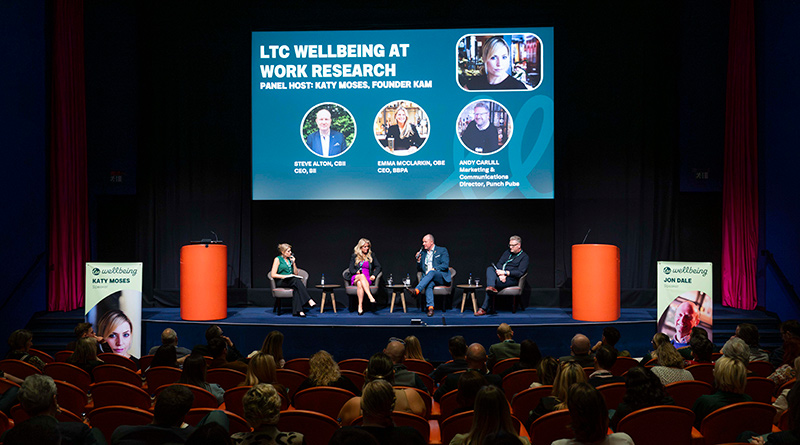
Recent research conducted by the LTC (Licensed Trade Charity) and KAM reveals the growing impact of workplace pressure, stress and sleep disruption on both employees and business performance across the hospitality sector.
The latest LTC Wellbeing at Work Report highlights that absenteeism is costing the industry a staggering £306 million annually, with a third of all sick days linked to poor mental wellbeing. On average, employees in the sector take the equivalent of 3 sick days (or 24 hours) across a year, resulting in significant disruption to teams, placing added pressure on remaining staff, and ultimately impacting service consistency for customers.
Presenteeism – the number of ‘days lost’ in terms of productivity due to working while in poor mental or physical health – continues to be a major factor impacting people and performance in hospitality, with almost seven million work days lost each year. Employees who are struggling but still attending work are more likely to experience reduced focus, lower energy levels and decreased engagement, which can directly affect the quality of service and overall guest experience.
The report also reveals that one in three pub and bar industry employees say that they have suffered ‘challenges’ over the last 12 months, a slight improvement on last year’s figure of 72%, highlighting how hospitality businesses prioritising wellbeing support is having a positive impact across the sector.
This year, there has also been a rise in employees taking work stress home with them, impacting work-life balance, productivity, and sleep – with sleep emerging as a new top factor negatively impacting employee wellbeing this year. In fact, 48% of respondents said work-related stress has affected their sleep in the last 3 months with 1 in 4 saying sleep disruption has significantly impaired their ability to function effectively while in the workplace. 1-in-10 employees went on to say they’re ‘not fully effective’ and/or ‘not working at their best’ either all or most of the time.
In response to these findings, LTC has launched its Supporting Better Sleep for Hospitality Teams guide, a highly relevant practical guide to help hospitality managers understand how sleep and fatigue impact team performance and take proactive steps to better support their workforce through smarter working practices, increased recovery times, and stronger wellbeing support. The practical guide was shared exclusively with attendees at the LTC Wellbeing Conference and will be made more widely available to the industry in the coming weeks.
Chris Welham, CEO at LTC, said: “While the increasing financial pressures on businesses in hospitality are well documented, we also need to bring to life the impact this is having on people, teams and lives outside of work. Although it’s encouraging to see improvement in the number of employees reporting challenges over the past year slightly down, stress remains a significant issue, and this year’s findings show it’s no longer staying in the workplace but following people home and affecting their ability to rest, recover and perform at their best.
“Sleep has emerged as a critical but often overlooked factor in wellbeing, and when it’s disrupted, it impacts everything from staff turnover to productivity to morale and service.
“That’s why it’s so important we equip managers with practical tools to better support their teams. By working together as an industry, we can create healthier environments that support people not just at work, but beyond it too.”
Downnload the LTC Wellbeing at Work Report to explore the findings and access practical insights to better support your teams: https://www.licensedtradecharity.org.uk/wellbeing-research/.