
STA Urges Councils to Learn From Edinburgh Visitor Levy Problems as Businesses Face Mounting Costs
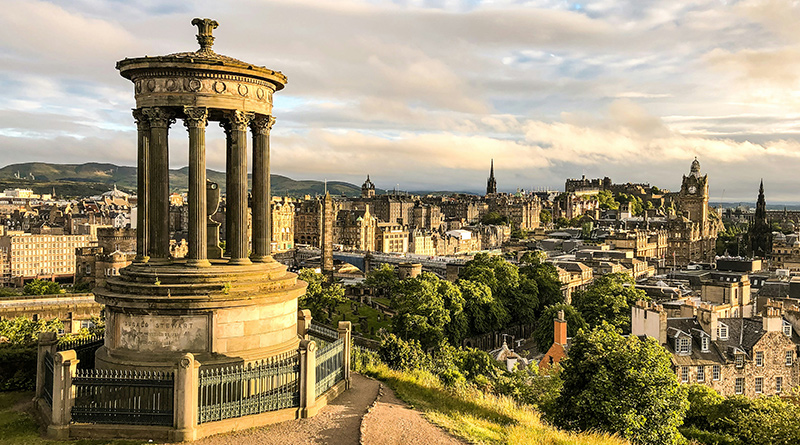
The Scottish Tourism Alliance (STA) is calling on councils across Scotland to learn from the problems being experienced in Edinburgh, one month after the city’s visitor levy came into force.
Edinburgh introduced its 5% levy on 24 July, becoming the first local authority in Scotland to do so.
Since then, accommodation providers have reported problems implementing the percentage model and, in particular, how the levy is being handled by some booking platforms.
The key problem facing businesses is that the visitor levy legislation requires the removal of all non-accommodation elements like breakfast charges from the final amount that the levy percentage is calculated from, forcing additional work and complexity.
Operators have told the STA that staff are having to correct individual guest bills where the levy has not been calculated accurately on booking platforms, with some estimating that each correction is taking around eight minutes.
The STA has long argued that a simple fixed fee model would be easier for businesses to administer and clearer for visitors.
Marc Crothall MBE, Chief Executive of the Scottish Tourism Alliance, said:
“We always knew there would be challenges with the percentage model and we are now starting to see some of those coming through. Calculating a percentage may seem simple, but the reality is causing major problems for businesses.
“Some of the booking platforms are not yet set up to work with the percentage model properly and accurately remove non-accommodation elements from the final levy calculation, and that means businesses are having to go back and correct bills. That takes time, and it costs money.
“When you multiply that across the number of bookings being made in Edinburgh, it becomes a significant cost. This could run into millions of pounds, so we need to understand the true cost and whether the 2% businesses can retain for administration comes anywhere close to covering it.
“The last thing we want is for a guest to get to the end of their stay and be presented with a bill which isn’t accurate. It doesn’t reflect well on the business, and it doesn’t reflect well on Scotland as a visitor destination.”
The STA has welcomed Highland Council’s decision to pursue a fixed-fee model rather than a percentage charge.
The current proposal is for a £5 nightly charge for most accommodation, with a lower £2 charge for campsites and hostels. Accommodation providers would be able to retain 5% of the levy raised to help cover the cost of administering it.
Marc said:
“The fixed-fee approach is what we have been advocating and what we pushed for when the legislation was changed. It is simpler and, importantly, we know the booking platforms can accommodate it.
“But there is still a big question around what that fee should actually be. How do we know £5 is the right figure? Could it be £3? What impact will it have on bookings and jobs?
“That is why the economic impact assessment is so important and has to be done before a council agrees what level of fee, if any, can be introduced without causing more harm than good.”
The STA also wants the emerging impact of the Edinburgh levy on wider visitor spending to be measured. Marc added: “We need to know what happens to the rest of a visitor’s spend when they are paying the levy. Are they spending less when they go out for dinner? Are they spending less in shops and attractions? Are they shortening their stay? Are they booking fewer Fringe shows? We need real-time information to get a true picture of whether the money raised from a visitor levy outweighs the negative impact on the wider visitor economy.
“The levy is here in Edinburgh, and it needs to work. What we are saying to other councils is: look at what is happening there, listen to the industry, carry out a detailed economic impact assessment and work with us to get the implementation right.”