
Starmer Resigns: What a Change at the Top Could Mean for the Hospitality Sector
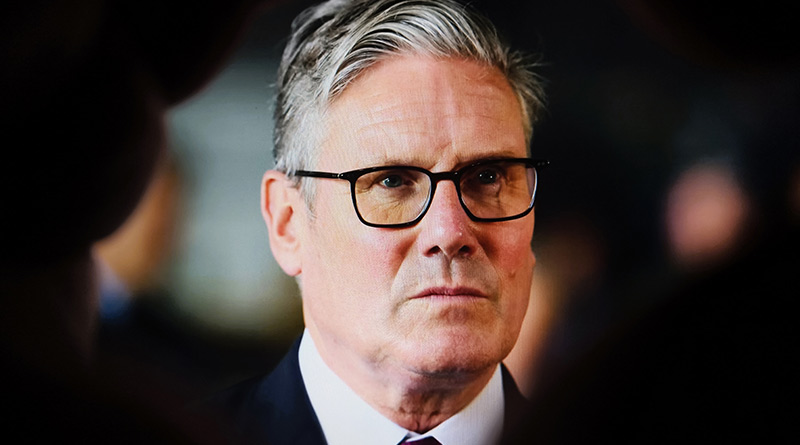
Sir Keir Starmer announced his resignation as Prime Minister on Monday morning, becoming the sixth occupant of Downing Street to leave office in just a decade. He has confirmed he will remain in post until a successor is in place, with the handover expected to be completed by September.
The departure caps a turbulent two years in which the hospitality and licensed on-trade sectors found themselves increasingly at odds with government policy. The decision by Chancellor Rachel Reeves to increase employer National Insurance contributions in November 2024, compounded by a simultaneous hike in the National Living Wage, drew sustained criticism from operators across the pub, bar, hotel and restaurant trade — with industry bodies repeatedly warning that the combined burden was pushing businesses to breaking point.
Greater Manchester Mayor Andy Burnham is widely expected to succeed Starmer, having won the Makerfield by-election on 18 June to secure his return to Parliament. Burnham has been notably vocal in his support for the hospitality sector during his campaign, pledging a 20 per cent reduction in business rates for pubs and music venues, the abolition of rates for cafés and single-site independents, and a cut in the hospitality VAT rate from 20 per cent to 10 per cent — bringing it in line with rates applied across much of Europe.
In a striking break from the current government’s messaging, Burnham has publicly acknowledged that Labour “undervalued the contribution these businesses make to our livelihoods and our communities” — a sentiment that has earned him warm words from trade bodies including UKHospitality, the British Beer and Pub Association, and the Night Time Industries Association (NTIA).
High-profile industry figures have also rallied behind the prospective new leader. Chef and broadcaster Tom Kerridge, who is fronting the sector’s #VAT’stheProblem campaign, said he believed Burnham to be “somebody who understands nightlife, food, hospitality and entertainment” and called on the sector to back his candidacy.
Nominations for the Labour leadership will open on 9 July, with a new Prime Minister in place before Parliament returns in September. Should Burnham demonstrate overwhelming support within the parliamentary party, a formal contest may be avoided entirely, allowing for a swift transition.
Former Health Secretary Wes Streeting and ex-Deputy Prime Minister Angela Rayner are among those likely to weigh up whether to mount a challenge, though neither is considered as strongly placed as Burnham at this stage.
For an industry that has endured successive rounds of cost increases, business closures and policy disappointments under the current administration, the prospect of a Burnham-led government — and the sector-friendly commitments he has already put on the table — will be cautiously welcomed. Whether those pledges survive contact with the Treasury, however, remains to be seen.