
UK Hotels Face Adsorbing the Cost of Crippling Tourist Levy VAT Double Whammy
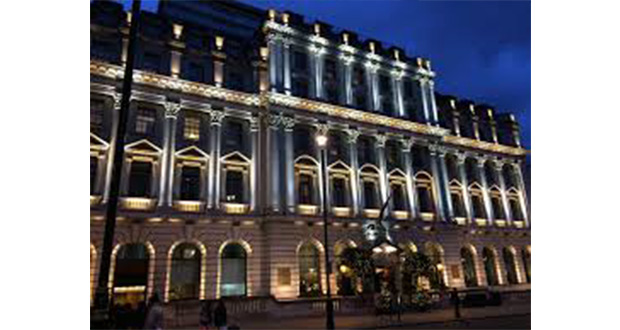
UK hotels face adsorbing the cost of a crippling tourist levy with potential VAT double whammy.
Paul Callingham, Chairman of Starboard Hotels, said: “UK hotels are potentially facing a ‘tax on top of a tax’ that they may adsorb the cost of, due to the Visitor Levy, which will allow all mayoral and foundation strategic authorities (FSAs) to set a levy as a percentage of accommodation cost that hoteliers are responsible for collecting and remitting.”
He added: “HMRC’s view is that VAT applies to the full amount charged for overnight accommodation, and the levy is an additional cost to the provision of accommodation. Hotels will not be able to increase rates sufficiently to cover a combined levy and VAT cost, as hotel rates are already market driven, meaning that hotels will have to bear the additional costs themselves.”
Paul said: “However, the harm of tourist levies goes far beyond individual hotels; Oxford Economics analysis suggests that a 5% tourist levy on accommodation just in England could cause a UK GDP loss of £2.2 billion, reduce tourism spending by £1.8 billion, result in 33,000 job losses, and 11.9 million fewer visitor nights spent in UK accommodation. This is financially devastating for the country without taking into account the economic cost of levies in Wales, Scotland and Northern Ireland.”
He added: “Hotels face this levy double whammy due to the way the tax system applies VAT. The gross room rate is the total paid by a guest, including all taxes, fees, and third-party commissions. If the cost of a room is £100, the VAT due would normally be £20, giving a total bill of £120. However, if a 5% visitor levy is added, as has been in Edinburgh, the charge for the room increases to £105. As VAT is calculated on the full amount charged for the room, the VAT rises to £21. The guest pays an additional £5 visitor levy and a further £1 of VAT, increasing the total bill to £126. If a guest books via a third party, the hotel’s potential 18- 20% commission would cost an additional £1.08 per room (18% of £5 (+ VAT.)!”
Paul said: “If the hotel is unable to increase the room rate, it will have to adsorbs these additional costs and would lose £7.08 per room per night, plus the cost of credit card commissions, which could be up to 2.82% as per Edinburgh council’s impact assessment.”
He added: “Another issue created by tourist levies, regardless of where they are in the UK is that there is no set rate or rate cap. Different local authorities can set their own rates – meaning hoteliers have to factor in these variations when budgeting for existing properties or deciding if they will invest in a new one – this creates an administrative as well as a financial burden.”
Paul said: “Hotels are an important source of employment for young people. The impact of higher business rates and increased National Insurance Contributions (NICs) has made it more expensive to employ entry level workers – a levy adds to a hotels overall financial burden, discouraging the hiring of additional staff. Implementing a levy may get a local authority additional funds, but this will be at the expense of employment opportunities for young people in their jurisdiction and will dilute hotel profitability further, leading to more corporate failures. Using the statutory National Living Wage (NLW) and the main employer National Insurance (NI) rates, the increase in the employer’s labour cost is already over 62% since January 2020.”