
Welcome Relief as Month-on Month Food inflation Falls
Food and drink prices eased by 0.1% in May, according to the latest Foodservice Price Index from NIQ and Prestige Purchasing.
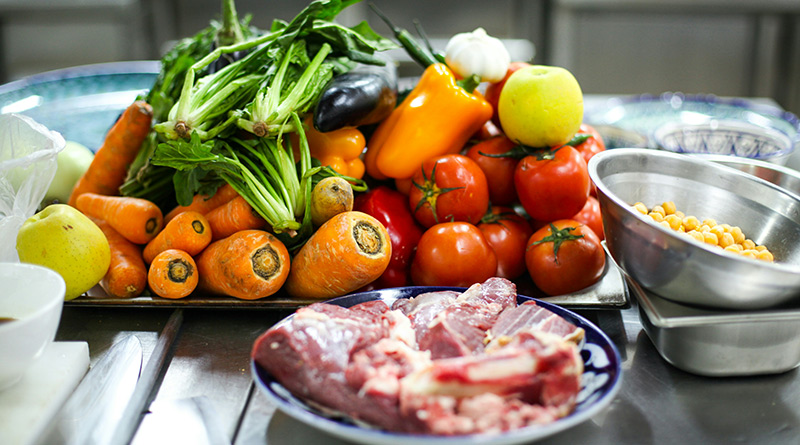
The month-on-month deflationary movement was triggered by price movements in fresh produce, dairy and oils, with vegetables continuing a downward trend as European growing conditions improved supply of salads, leafy crops and outdoor produce.
The Index also pointed to the easing in prices of milk, cheese and eggs driven by robust domestic farmgate milk production and intense retail competition, which anchored costs despite fluctuations in global dairy demand.
Meanwhile, the oils and fats category recorded a modest decline, reflecting a notable softening in international palm and soybean oil markets due to weaker global import demand.
Categories that are still under inflationary pressures include soft drinks, jams, syrups and chocolate, which are impacted by challenges in in global sugar markets.
Coffee, tea and cocoa were also inflated in May due to low stock levels and sustained elevated pricing for coffee out of Brazil and Vietnam, while fish remained structurally inflationary due to strict North Atlantic quota restrictions and high operational costs.
Shaun Allen, chief executive of Prestige Purchasing, said: “A month-on-month drop of 0.1% in May provides a welcome, albeit slight, reprieve for hospitality operators. The deflation we are seeing in key domestic categories like dairy and vegetables is a testament to strong local supply and the effectiveness of forward-buying strategies.
“However, operators cannot afford to be complacent. The global energy markets remain elevated, directly impacting sugar and beverage costs through ethanol diversion, while structural supply issues continue to plague fish and coffee. As we head into the crucial summer trading period, extreme weather events across major growing regions remain the most significant risk factor. Procurement teams must remain vigilant, leveraging this period of relative stability to secure supply lines against potential climate-driven volatility in the second half of the year.”
Reuben Pullan, senior insight consultant at NIQ, said: “At a time of exceptionally high costs for hospitality, any signs of stability in food and drink prices are welcome. However, many commodities remain at risk of volatility, and sustained deflation seems unlikely. Businesses across the sector are working relentlessly to sustain sales and profits at the moment, with thousands now very fragile. As we enter the second half of 2026 and await a new prime minister, many will be hoping for targeted and meaningful industry support for this persistent cost burden.”