
What Could an Andy Burnham Government Mean for Business Rates and Impact Retail and Hospitality?
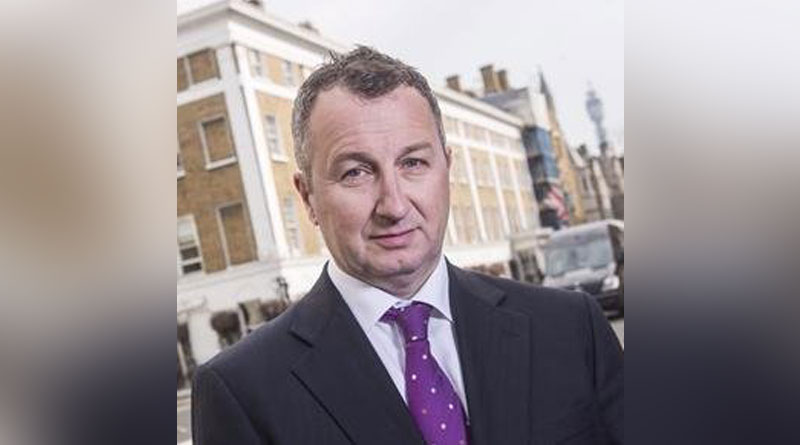
John Webber Head of Business Rates at Colliers (www.colliers.com) says short term populist slogans are not the answer
With the former mayor of Manchester, Andy Burnham winning the Makerfield by-election and set to parachute himself into Parliament for a leadership contest against Kier Starmer, commentators are asking what the impact on the economy could be should he succeed in his plan and become Prime Minister.
John Webber, Head of Business Rates at Colliers is particularly concerned about Burnham’s policy towards business rates, which he brands as “populist” but without a “fundamental economic understanding” of the tax and its impact on business. As Webber points out, “Saying you are going to reduce business rates is as predictable as kissing babies at a byelection and about as effective for the economy!”
So what is Burnham saying? So far it appears he has two main strands to his policy: Shops and Pubs and instituting a Land Value Tax.
Shops and Pubs
The Greater Manchester Mayor backed the “Save our Pubs campaign” and should he become PM has pledged to cut business rates for pubs and music venues by 20 per cent, building on the extra reliefs granted by Rachel Reeves earlier this year, when she was forced to backtrack following the backlash from the fall out of the 2026 Revaluation. Despite introducing caps, many pubs were set to see their bills rise astronomically.
Our analysis showed that even with transitional caps, a typical independent pub could see its annual rates bill rise by 75% during the 3 years of the list. Against a backdrop of higher energy costs, increased employer National Insurance and rising minimum wages, such rises simply were not sustainable- and the industry yelled.
Burnham wants to do more for pubs and has said his extra support would cost £100 million.
Burnham has also said he would abolish business rates for shops, cafes and restaurants limiting this to single site venues to protect family-owned businesses.
And he would also increase the threshold at which businesses pay business rates from £12,000 to £18,000 whilst also extending the threshold under which businesses enjoy tapered relief on rates, from £15,000 to £21,000.
Burnham said these moves would be funded by increasing taxes on online tech giants and their warehouses to ensure they pay their “fair share”. He said he would raise a further £500 million by tackling tax evasion that is harming high streets.
John Webber commented, “Providing reliefs for pubs and music venues sounds all well and good, but it is short term and does little to address the fundamental flaws in a system that has left large parts of the hospitality sector — and other businesses — facing unsustainable business rates increases. Burnham’s announcement is best described as providing a further sticking plaster on an outdated and deeply flawed business rates regime that needs proper reform. He does not say how long he will provide this relief nor that we should be re-looking at the way pubs are valued.
Moreover, while pubs could be granted a reprieve, other parts of the RHL sector will be left “hanging out to dry”. Hotels are a good example, where according to UK Hospitality the average hotel’s business rates bill will increase by 115% by April 2029.
Burnham’s promise to abolishing business rates for shops, cafes and restaurants is also a good soundbite, but if the government is determined to increase its tax take from business rates every year (with forecast to take £40 billion by 2030) extra tax will need to be levied on other businesses to pay for this relief.
Moreover, limiting the relief to single site venues will do nothing to encourage business expansion. Why would you open another venue if you are hit with full business rates on both? We need our taxation policy to be stimulating growth not putting another nail in its coffin!
Increasing the thresholds at which businesses pay business rates from £12,000 to £18,000 would also just take properties out of the system from paying business rates at all- again putting the burden further on those businesses that do. We have estimated the cost of increasing the threshold in this way would be around £900m.
Burnham says he will fund his moves by “increasing taxes on online tech giants and their warehouses” – a naïve dream given current geopolitics and the relationship with Trump. This was also the theory behind the current government’s super higher multiplier, which has just resulted in all bigger businesses being hit by higher rate bills, again undermining business investment, jobs and growth.
Land Value Tax
Burnham is also reported to be in favour of increased property taxes. “I think land is under-taxed,” he said last month as he launched his campaign to return to Westminster. “I have long been persuaded of the argument for a land value tax,” he added.
Again “misguided and disastrous” says Webber. “ There is no country in the world that has been able to successfully implement a land value tax. Most countries that claim to have land value taxes like Australia and Taiwan exempt the two biggest uses of land, agriculture and owner-occupied housing. Even in the UK when it was tried by the Liberal Government in the early 1900s it spectacularly failed and cost more to administer than it collected, nearly bringing down the Government.”
Webber continues, “ Every few years a left wing think tank proposes a land value tax targetted at landlords and usually gets shouted down. Given business rates were set up to pay for the amenities and services that businesses use in the community, surely there should be no dispute that such businesses should pay something for these services?”
The additional tax could also backfire. If charged, landlords would most probably recuperate the money by hiking up rents charged to occupiers. “We would therefore have a system whereby businesses would end up paying more to the landlord but unlike the present system would be unable to appeal against their combined rent and rate bills that the landlord would introduce. So how would they benefit?”
“Labour’s plans would just complicate the system, be expensive to implement and lead to more appeals. We already have a broken appeal system and an under resourced VO. How would a land tax help with that?”
Webber believes that Burham would be much better looking at proper business rates reform, something the current government has failed to implement despite its promises. “What we need is a grown-up debate that will allow a clear strategy to be set out so businesses can see a road map for change. No one expects 30 years of mismanagement to be changed overnight but it should be in the 5-year life of a parliament.
The plan should encompass reducing the multiplier to make it a palatable 35% not a 50% tax, one that businesses can afford. We could pay for this by rebalancing who pays, taking the pressure off retailers and making small businesses all pay something -say 10 per cent. The new labyrinthine multiplier system must also be simplified; there are currently 13 different multipliers in England and Wales alone, and three in Scotland. It is a bureaucratic nightmare.
Then we should look at the quantum taken from the system – £40 Billion by 2030 is excessive. We need to reduce it and create a a plan to show how much it will be reduced by and where that shortfall is coming from so that we prevent financial markets from being spooked and give credibility to the plan.
And finally, the appeal process needs to be clearer and easier to navigate. Currently it strangles anyone trying to get their rate bills properly assessed. The default is so often the computer says no but the greater transparency should lead to lower appeals ideally allowing the VO to deal with those that are lodged in a quicker timescale. That’s the aim!
Webber adds, “ What we don’t want are polished sound bites that sound good and are what people want to hear, but are unable to face close scrutiny. Such slogans may very well help Andy Burnham get into Parliament, but if he is serious about becoming PM and running the country he certainly needs a more credible plan going forward.”