
MPs Renew Calls for Hospitality VAT Cut as Rising Costs Put Pressure on Businesses
Two MPs have renewed calls for the Government to reduce VAT for the UK hospitality sector, arguing that the current tax burden is holding back businesses, restricting recruitment and undermining economic growth.
Ben Maguire, Liberal Democrat MP for North Cornwall, and Chris Webb, Labour MP for Blackpool South and Chair of the All-Party Parliamentary Group (APPG) for Hospitality and Tourism, have both highlighted the pressures facing the industry and called for further Government action.
Their interventions come amid continuing concerns about rising operating costs, employment taxes and the competitiveness of UK hospitality businesses.
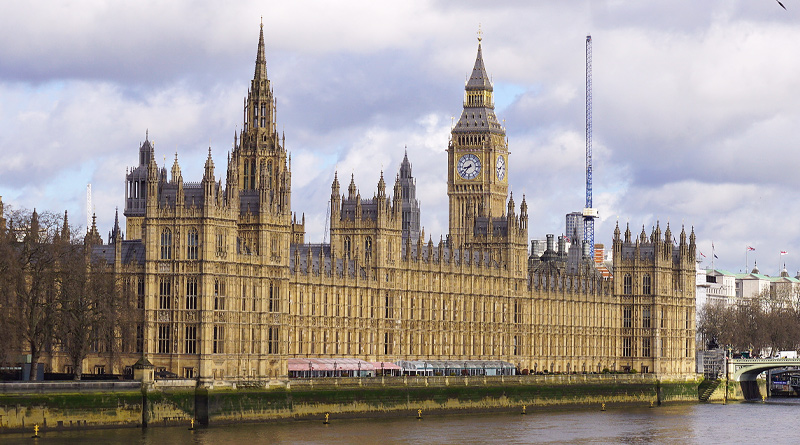
Webb led a Westminster Hall debate on the impact of VAT policy on hospitality on 12 November, bringing together MPs from different parties to examine how the tax affects businesses, employment and tourism-dependent communities.
Speaking about the pressures facing hospitality, Maguire said rising costs were restricting the ability of pubs, cafés and restaurants to expand and employ more local people.
He has called for a targeted reduction in VAT for hospitality, alongside lower employer National Insurance contributions for younger workers.
During the parliamentary debate, Maguire highlighted the experience of a hotelier in his North Cornwall constituency who told him that, had he anticipated the increase in employer National Insurance contributions, he might not have opened a particular hotel.
The MP said the decision could have prevented the creation of jobs for young people in the area.
Maguire also pointed to the recommendations of the recently published Alan Milburn review of youth employment, which proposes reducing employer National Insurance costs for workers aged between 21 and 24, initially concentrating on the hospitality and retail sectors.
The review recommends a phased increase in the earnings threshold at which employers begin paying National Insurance for this age group, from £5,000 to £10,000 over five years, subject to the state of the public finances.
The proposals could offer some relief to hospitality businesses that rely heavily on younger workers, although implementation is not guaranteed.
Meanwhile, Webb has emphasised the importance of hospitality to communities across the country, particularly coastal destinations such as Blackpool, where tourism and visitor spending underpin a significant proportion of the local economy.
As Chair of the APPG for Hospitality and Tourism, he said he had spent the past two and a half years working with colleagues from across Parliament and engaging directly with businesses to understand the challenges facing the industry.
He argued that hospitality employs approximately 3.5 million people nationally, making it a major contributor to employment, economic activity and opportunities for young people entering the workforce.
In Blackpool, the sector’s importance is particularly pronounced, with hospitality employment more than twice the national average, according to Webb.
He highlighted how hospitality provides an important entry point into employment, with many people securing their first job in pubs, restaurants, hotels and visitor attractions before progressing into longer-term careers.
Webb also welcomed the Government’s recent business rates package for retail, hospitality and leisure, noting that changes to thresholds would mean 68 per cent of properties in these sectors in Blackpool would no longer pay business rates.
However, he stressed that further support was needed, maintaining that VAT reform could help businesses invest, create employment and strengthen the town’s visitor economy.
The debate also highlighted the wider economic benefits of hospitality, with visitor spending supporting not only hotels, restaurants and attractions but also local suppliers, independent retailers, taxi operators and other businesses.
Webb argued that reducing the tax burden could help improve the UK’s competitiveness against overseas destinations, where hospitality businesses often benefit from lower VAT rates.
The calls come against the backdrop of the UK’s standard 20 per cent VAT rate, which generally applies to hospitality services, including accommodation and food and drink.
The Government has previously defended the rate, citing the significant cost of introducing permanent reductions. Treasury estimates published earlier this year suggested that reducing VAT on accommodation and food and beverage services to 10 per cent would cost approximately £10.5 billion in 2026/27.
Ministers have also pointed to targeted support measures, including the temporary Great British Summer Savings scheme, which reduced VAT to five per cent on eligible children’s meals and family attractions between June and September 2026.
However, the wider industry continues to argue that temporary or limited interventions do not address the underlying competitive disadvantage facing UK hospitality businesses.
With MPs from across the political spectrum continuing to raise the issue, pressure is mounting on the Government to reconsider its approach to hospitality taxation.
For businesses already navigating higher employment costs, energy bills and ongoing economic uncertainty, the debate over VAT remains a significant part of the industry’s wider campaign for a more sustainable operating environment.