
No and Low-Alcohol Beer Sales Set to Surpass 200 Million Pints Mark in UK
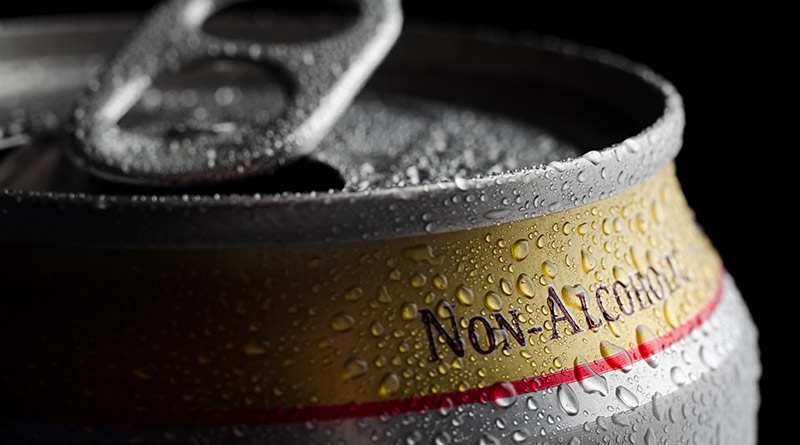
British consumers are expected to purchase over 200 million pints of non-alcoholic and low-alcohol beer during 2025, representing substantial growth in the category and highlighting evolving consumer preferences across the on-trade sector.
The British Beer & Pub Association has released research indicating the market will expand by approximately one-fifth compared to 2024’s figure of nearly 170 million pints. December alone is forecast to account for 22 million pints of no and low-alcohol beer served across UK venues.
Industry data reveals the category has experienced a 750 per cent volume increase since 2013, driven by manufacturer innovation and changing product ranges within licensed premises.
Separate research published by charity Drinkaware this month found that 45 per cent of consumers reported purchasing no and low-alcoholic beverages during the past year, compared with 22 per cent recorded in 2021.
Greene King has reported a 36 per cent rise in alcohol-free drink sales across its 1,600 managed sites over the past 12 months, with packaged zero per cent beer and cider accounting for more than 70 per cent of that category’s turnover.
Lucky Saint, a zero-alcohol beer brand currently stocked on draught in 1,000 UK pubs, has reported strong trading performance. Founder Luke Boase commented that demand remains consistent throughout the year, suggesting the category has become embedded in regular drinking occasions rather than being limited to specific periods.
Emma McClarkin, chief executive of the BBPA, said the growth demonstrates how operators are responding to changing consumer behaviour. She noted that pubs continue to serve as social venues whilst accommodating customers who wish to moderate their alcohol consumption during the festive period and beyond.
The trade body has stated that further category development is being constrained by the UK’s current regulatory definition of “alcohol-free” products.
Drinkaware’s research, which analysed data from its annual Monitor survey—the only nationally representative study of UK drinking patterns—revealed that 49 per cent of young adults now select no and low-alcohol options for moderation purposes, nearly double the 28 per cent figure from 2018.
The charity’s findings also showed significant uptake among risky drinkers, defined as those consuming above the Chief Medical Officers’ recommended maximum of 14 units weekly. Usage within this group has increased from seven per cent in 2018 to 23 per cent in 2025.
Among risky drinkers who purchase no or low-alcohol products, 59 per cent use them as substitutes for regular-strength alcohol, whilst 25 per cent employ them either as replacements or additions depending on circumstances. Only nine per cent reported consuming them alongside regular-strength drinks.
Overall, 44 per cent of UK adults now choose no and low-alcohol drinks for moderation purposes, up from 31 per cent in 2018. The data showed alcohol-free product consumption rose from 18 per cent to 31 per cent between 2018 and 2025, whilst low-alcohol options increased from 25 per cent to 33 per cent across the same timeframe.