
Hospitality Sector Braces Itself for London Tube Strikes
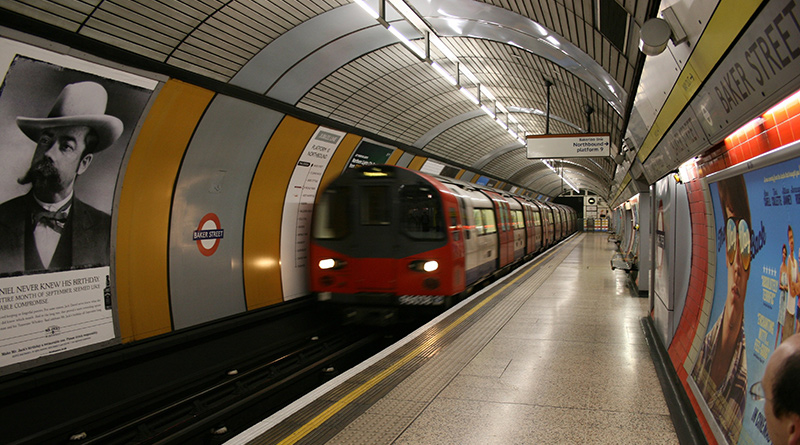
London’s hospitality and licensed on-trade sector is bracing for a bruising few days of disruption this week as Underground drivers at Transport for London prepare to stage two separate 24-hour walkouts in a continuing row over proposed changes to working arrangements.
Drivers who are members of the Rail, Maritime and Transport union will begin industrial action from midday on Tuesday 22 April, with a second stoppage commencing at the same time on Thursday 24 April. TfL has warned businesses and travellers alike to anticipate “significant disruption” across the entire Underground network on both occasions.
UKHospitality CEO Kate Nicholls, , said the strikes would have a “devastating impact” on her members and warned that they would also inconvenience workers trying to get to work on strike days, and comes as a further blow to pubs already struggling with the impact of tax rises under Labour, particularly Rachel Reeves’s National Insurance raid and increases in the minimum wage.
New figures from UKHospitality reveal that on average, the central London hospitality sector can expect to lose an estimated third of sales during Tube strike days.
Pubs will be the hardest hit, followed by coffee and sandwich shops, which will lose more than a third of their normal takings.
Restaurants can expect a reduction in sales of 29 per cent, according to the UKHospitality calculations.
TfL has issued a detailed day-by-day guide to expected disruption. On Tuesday, normal services will run until mid-morning before tapering ahead of the midday stoppage. Any remaining services are expected to wind down early, with TfL urging anyone who must travel to complete their journey by 8pm.
Wednesday will see services resume later than usual, with no trains anticipated before 7.30am. Significant disruption is expected across all lines until around midday, with conditions gradually improving through the afternoon and evening.
Thursday’s walkout follows the same pattern as Tuesday — standard services until mid-morning, followed by severe disruption from midday onwards. Friday will again see no services before 7.30am, with disruption persisting into the working day.
Certain lines will be completely suspended during the action. No service will operate at all on the Piccadilly or Circle lines. The Metropolitan line will not run between Baker Street and Aldgate, and the Central line will be suspended between White City and Liverpool Street. Any trains that do run are likely to be infrequent, heavily congested and unable to serve every station.
The Elizabeth line, DLR, London Overground and tram services are expected to operate normally throughout.
A further complication for operators in parts of east London arrives on Friday, when a 24-hour walkout affects seven Stagecoach bus routes operating from Bow Bus Garage. Routes 8, 25, 205, 425, N8, N25 and N205 are all in scope from 5am on Friday 25 April.
TfL anticipates that routes 25 and 425 will maintain close to a normal service for much of the day. The N8 night bus will operate a curtailed route between Hainault and Liverpool Street at its usual frequency, while the remaining routes face severe delays or cancellation.
Separately, around 150 Unite members employed as bus station and network traffic controllers are staging their own industrial action from 23 to 25 April, a move expected to add a further layer of difficulty to the capital’s transport picture during the week.
At the heart of the action is TfL’s proposal to move train operators onto a four-day working week. The RMT has rejected the offer, describing it as a superficial restructuring of existing hours rather than a genuine improvement in working conditions.
The union had suspended strike action last month after TfL management committed to entering negotiations, but the RMT says it has since accused the operator of going back on that commitment.
RMT General Secretary Eddie Dempsey said his members had entered the process in good faith and expressed frustration at what he described as an unwillingness on TfL’s part to move from its position. He warned that the approach being taken was not conducive to a negotiated resolution and risked further inflaming relations with the workforce.
Michael Kill, CEO of the Night Time Industries Association, said: “As the sector faces a fresh surge in energy and operating costs, this new wave of strike action creates yet more uncertainty that businesses simply cannot absorb. Margins are being squeezed from every direction, and confidence is increasingly fragile.
“The ongoing disruption to transport services begs the question, who does this actually benefit? Because right now, it’s businesses, workers and the wider public who are paying the price for the reckless actions of the few.
“Without reliable late-night transport, staff struggle to get to work, customers stay away, and businesses lose critical trade. Many venues are already under intense financial pressure, continued disruption only compounds that risk.
“We respect the right to strike, but this situation cannot continue. All parties must get round the table and find a resolution, because sustained uncertainty at a time like this will have serious, lasting consequences for London’s night-time economy.”