
Hospitality Sector Faces Selective Consumer Spending Despite Strong Summer Conditions
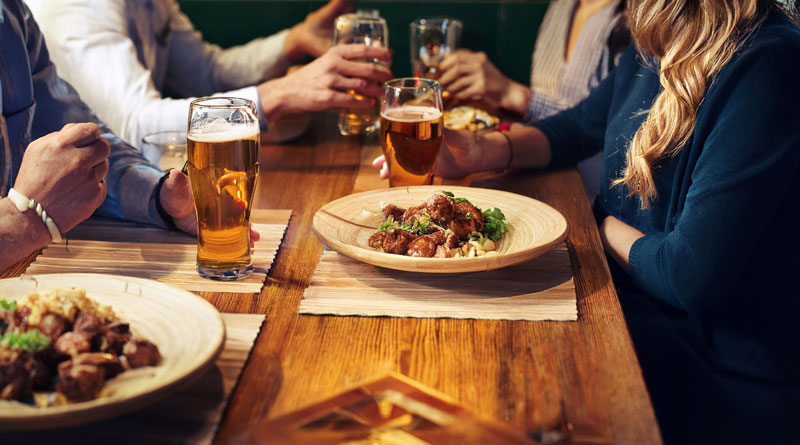
Pubs and bars experienced an unexpected decline in July, while casual dining, fine dining and hotels proved more resilient amid increasingly selective consumer spending.
Favourable summer trading conditions failed to deliver broad-based growth across the UK hospitality sector in July, with consumer spending becoming increasingly fragmented despite warm weather, peak tourism, school holidays and major sporting and cultural events.
The latest hospitality index from Morre Kingston Smith (MKS) from show a marked divergence between hospitality subsectors. Casual dining recorded its strongest performance of the summer, hotels continued to benefit from leisure and business travel, and fine dining remained comparatively resilient.
Pubs and bars, however, produced one of the month’s most unexpected results, with revenue falling despite a combination of conditions that would traditionally be expected to support strong trading.
The figures suggest consumers continue to spend on hospitality, but are becoming more selective about where and when they spend, with experience-led occasions, tourism, family outings and destination dining proving important sources of demand.
At the same time, more routine discretionary spending appears to remain under pressure as households balance leisure expenditure against continuing living-cost pressures.
Casual dining benefits from summer activity
Casual dining recorded a 3.25% increase in revenue during July, while labour hours rose by 1.94%.
Warmer weather, Wimbledon, BST Hyde Park events and the beginning of the school summer holidays helped generate additional footfall, supporting family outings, tourism and destination dining.
West London was particularly strong, recording an 8.14% month-on-month increase in revenue.
July also coincided with the Government’s temporary reduction in VAT from 20% to 5% on qualifying children’s meals. While it remains too early to determine the precise effect of the measure, the reduction may have provided an additional incentive for family dining during the school holidays.
Despite the positive monthly performance, the longer-term picture remains challenging. Revenue was 11.15% lower than in July 2025, while labour hours fell by 7.96%, highlighting the continuing pressure on the sector.
Pubs and bars fail to capitalise on favourable conditions
The performance of pubs and bars emerged as one of the key stories of July.
Revenue declined by 0.77% during the month, while labour hours increased by 1.65%.
The result came despite warm weather, longer evenings, tourism activity, a busy summer events calendar and the FIFA World Cup – all factors that would traditionally be expected to generate increased pub footfall.
The figures suggest that changing leisure habits may be affecting the ability of pubs to convert major events and favourable weather into sustained sales growth.
While individual World Cup fixtures may have generated strong trading spikes, these did not translate into broader monthly growth across the sector.
Central London provided an exception, with revenue rising 7.35% month on month, supported by international visitors, events and concentrated tourist activity.
The World Cup’s North American hosting format may also have limited its impact on UK pubs. A number of fixtures were played late in the evening or during the early hours of the morning for UK audiences, placing some matches outside traditional pub trading hours.
Combined with increasingly fragmented consumer spending across holidays, festivals, concerts and other experiences, this may help explain why the tournament failed to generate the uplift that operators might traditionally have expected.
Despite the weak monthly result, the annual comparison remained marginally positive, with pub and bar revenue up 0.70% and labour hours increasing 0.16%.
Fine dining remains comparatively resilient
Fine dining continued to outperform many parts of the wider restaurant market, although growth showed signs of moderating.
Revenue fell by just 0.17% month on month in July, while labour hours declined by 0.42%, helping operators maintain productivity.
Compared with July 2025, revenue increased 0.78%, while labour hours were down 3.81%.
Central London recorded particularly strong annual growth, with revenue increasing 6.91%, supported by international tourism and corporate activity.
Premium restaurants continue to benefit from customers prepared to spend on celebrations, business entertaining and destination experiences. However, consumers appear increasingly willing to spend more on individual visits while reducing the frequency of dining occasions.
The July figures therefore suggest that fine dining remains resilient, but that the exceptional growth experienced by parts of the premium market may be beginning to normalise.
Hotels maintain strong momentum
Hotels continued to produce some of the strongest results across the hospitality sector.
Hotel data for June – reported one month behind the restaurant figures because of an industry reporting lag – showed revenue increasing 13.53% compared with May, while labour hours rose by 4.13%.
Performance was supported by leisure travel, corporate demand and domestic tourism.
West London recorded particularly strong growth, with revenue increasing 19.55% month on month, helped by its proximity to Heathrow and continued international visitor demand.
The annual picture was more subdued, however, with revenue 0.46% below June 2025, although labour hours were also down 2.96%.
Outside London, annual revenue growth of 3.91% highlighted the continuing importance of domestic tourism and regional leisure travel.
Productivity gains raise workforce questions
Alongside the varying sales performances, productivity continues to be a major theme across hospitality.
Operators are generating revenue with relatively tightly controlled labour deployment, helping businesses manage margins in the face of rising employment costs.
However, sustained productivity improvements also raise questions about employee wellbeing and workforce sustainability.
Lean staffing models can place additional pressure on employees to maintain service standards, potentially increasing workload intensity, fatigue and burnout risks while reducing opportunities for coaching and development.
Managers are consequently facing an increasingly complex balancing act between controlling costs, maintaining compliance, supporting employee wellbeing and delivering the customer experience expected by guests.
With higher labour costs, employment reform, Day One rights and changing workforce expectations adding to operational pressures, workforce planning and employee experience are likely to remain increasingly important management priorities.
Consumer behaviour becoming increasingly selective
The July figures indicate that favourable external conditions alone can no longer be relied upon to deliver widespread hospitality growth.
Warm weather, the World Cup, peak tourism and the school holidays might historically have been expected to produce a broad uplift across the sector. Instead, performance varied significantly according to market segment, location and customer proposition.
Consumers are still spending, but appear to be prioritising experiences, occasions and perceived value.
For hospitality businesses, understanding where demand is moving and aligning staffing, service delivery and customer experience accordingly is therefore becoming increasingly important.
The strongest operators are likely to be those able to combine productivity improvements with investment in workforce resilience, management capability and a clear understanding of changing customer behaviour.
The July results underline the resilience of the hospitality industry, but also point to a more challenging trading environment in which demand is present but increasingly selective, fragmented and difficult to predict.
For pubs, restaurants, bars and hotels, the challenge will be to capture that demand while maintaining productivity without compromising employee wellbeing, service quality or the customer experience.