
MPs Press Treasury on Hospitality Support, VAT and Burnham Business Rates Pledge
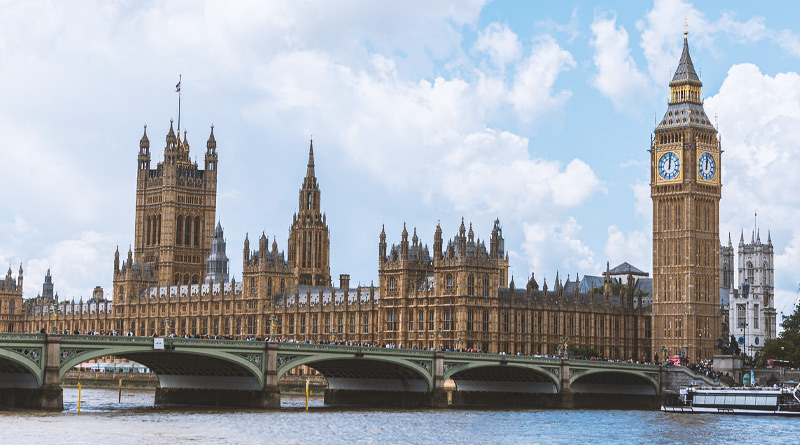
Hospitality policy came under scrutiny in the House of Commons on Monday as MPs questioned the Government on support for pubs, bars and tourism businesses, including calls for a lower VAT rate in Northern Ireland and questions over a business rates pledge associated with Andy Burnham.
During Treasury questions, Liberal Democrat Treasury spokesperson Daisy Cooper raised reports that the newly elected Member for Makerfield, Burnham, had pledged to cut business rates for pubs, clubs and music venues by 20% if he became Prime Minister.
Cooper asked Treasury ministers whether officials had begun modelling the cost of delivering such a commitment.
“Given that the hon. Member is facing the near certainty of becoming Prime Minister, I ask those on the Front Bench whether the Treasury has started modelling the numbers to deliver on that pledge, and if not, when that work will begin,” she said.
Responding for the Government, Exchequer Secretary to the Treasury Dan Tomlinson dismissed the suggestion that Burnham was on the verge of entering Downing Street.
“I have to correct the Liberal Democrat spokesperson—I do not think that this hon. Member has a near certainty of becoming Prime Minister any time soon,” Tomlinson told the House.
However, the minister welcomed Burnham’s position on hospitality support, arguing that it reflected measures already introduced by the Government. Tomlinson said Burnham had “taken inspiration” from the Government’s decision earlier this year to reduce business rates for pubs, bars and live music venues by 15%.
The exchange came amid wider questioning about support for the hospitality industry, particularly in Northern Ireland.
Independent MP Alex Easton asked what assessment had been made of the adequacy of a temporary VAT reduction in supporting the hospitality sector in Northern Ireland.
Tomlinson used his response to highlight the Government’s “great British summer savings scheme”, which is due to begin within days and run through the summer holiday period. He said the initiative would apply across all four nations of the UK, benefiting businesses in Northern Ireland as well as Great Britain.
Easton then pressed ministers on Northern Ireland’s competitive position relative to the Republic of Ireland, where hospitality businesses benefit from a lower VAT rate of 13.5%.
He argued that Northern Ireland’s unique circumstances, including its open land border with the Republic, justified consideration of a reduced VAT rate for the sector.
“Will the Chancellor look to reduce the rate of VAT for the hospitality sector in Northern Ireland—at minimum for a trial, if not permanently—to maintain price competitiveness, safeguard UK jobs and businesses, and make us more competitive with the Republic of Ireland?” Easton asked.
The interventions reflected continuing concern within the hospitality industry over operating costs and competitiveness. While ministers pointed to existing business rates relief and seasonal support measures, MPs from different parties continued to press the Treasury on whether further tax reductions could help pubs, restaurants, hotels and entertainment venues facing pressure from higher costs and cross-border competition.
The Commons exchanges highlighted two distinct but related debates: whether additional business rates relief should be extended to hospitality venues across the UK, and whether Northern Ireland’s unique economic position warrants a different VAT approach from the rest of the United Kingdom. Both issues are likely to remain under discussion as the Government’s summer support measures come into effect.