
Should the UK Follow France’s Lead on New Disability Employment Standards?
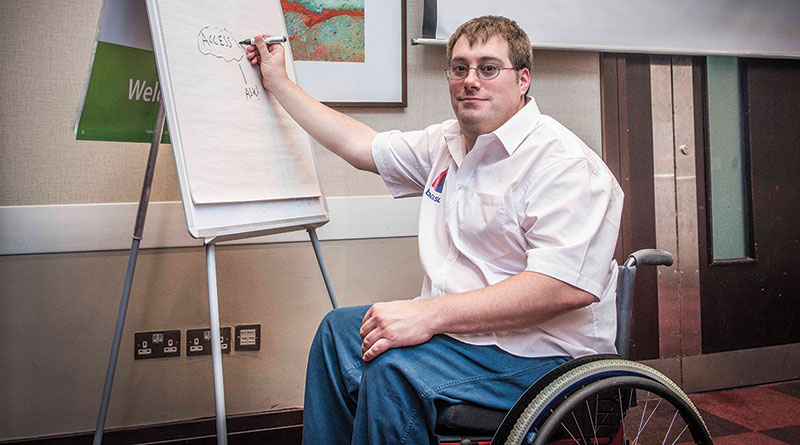
By Chris Jay, Managing Director of Bascule Disability Training (www.bascule.com)
In January this year, the French Government took a significant step toward accessibility in the hospitality sector by making disability inclusive recruitment a legal requirement across hotels, cafés, and restaurants.
This progressive movement means that recruiting staff with disabilities is no longer optional but a legal obligation in France. Any business in the hospitality sector must now ensure that its recruitment process, staff support, and workplace adjustment policies are in place and fully disability inclusive. HR teams in the hospitality sector will now be responsible for demonstrating that their policies comply with the new legal requirements to avoid penalties.
This is a significant step for disability inclusion in France, as it goes beyond simple recommendations, which are often treated as tick-box exercises. Instead, the new rules address the recruitment and support of staff with disabilities, and the French tourism industry is also expected to benefit from these new inclusion standards.
The question is: should the UK follow suit? What would really be the downside? After all, a commitment to recruiting staff with disabilities will be instrumental in improving customer access and inclusive change in the industry. When you consider that the spending power of people with disabilities (known as the purple pound) is estimated at around £274 billion per year in the UK (SCOPE), and that an estimated £14.6 billion is spent on tourism in England alone (VisitBritain), it’s a change we should definitely embrace.
Let’s be honest, the sector has been slow to adopt accessibility and reap its benefits. This has been proven in customer feedback from people with disabilities. For example, in a recent survey conducted by HGEM,71% of people with disabilities said more needs to be done to address accessibility issues in the hospitality industry. As a result, 30% of respondents said they would leave a venue immediately if access was inadequate, while another 53% said they would never return to a venue if access was difficult. When you consider that one in four people in the UK has a disability, you begin to see why change could be a good thing.
Then there are the problems the UK hospitality industry currently has with recruitment and retention. The UK hospitality industry has the highest staff turnover rate of any UK sector at 52%. It has also been reported that current job vacancies remain at approximately 107,000, representing a 5.1% vacancy rate, compared with 3.2% for the economy overall. By actively engaging and demonstrating genuine dedication to recruiting individuals with disabilities, you will tap into a previously untapped talent pool.
It’s also worth considering that, employees with disabilities are often highly motivated, reliable and committed, when workplaces are designed with flexibility and support in mind. In a sector struggling to hold onto skilled staff, those qualities are useful.
For example, a survey from AbilityNet found that 77% of employers hiring staff with disabilities met or exceeded performance expectations. 85% of employees with disabilities had average or above average attendance rates, and staff retention was 72% higher amongst employees with a disability.
Now, that’s not to say becoming more inclusive is easy. Employers can’t just recruit people with disabilities and think their job is done. For inclusive recruitment to succeed in the UK, certain changes are required, the biggest being a shift in how employers perceive disability.
In other words, awareness, understanding, knowledge, and empathy are critical areas for hospitality teams to become inclusive. Workplace cultures will need to be open, supportive, and understanding of disability, which will pave the way for changes that help attract a clientele with disabilities.
Currently, the Equality Act 2010 provides us with clear guidelines and a legal framework, but realistically, many employers tend to engage with accessibility only when something goes wrong, often in the form of a tribunal claim or formal complaint.
Taking the step France has taken would certainly be more beneficial for both inclusion and the hospitality industry, but at the same time, we need to adopt a proactive approach to disability, not a reactive one. This will involve training managerial staff to confidently supervise and make decisions for staff with disabilities. It will entail reassessing how to fairly attract, recruit, retain and support staff with disabilities.
When done correctly, proactive planning for disability inclusion as part of your everyday operations can be not only a solution to recruitment issues but also a new strategy for improving service quality, enhancing brand appeal, and opening the door to new customers, talent pools, and markets.