
Treasury Warning Dampens Hopes of Hospitality VAT Cut
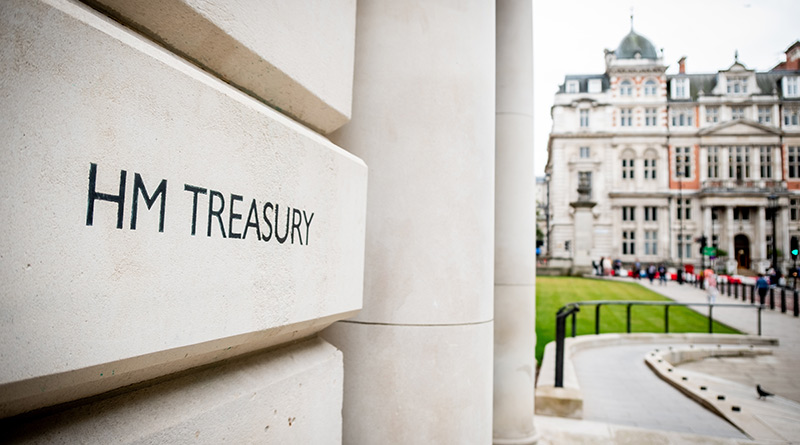
Pubs and hospitality businesses hoping for a reduction in VAT have been warned that a cut would come with a significant cost to the public finances, casting fresh doubt over the prospect of a lower rate for the sector.
Financial Secretary to the Treasury James Murray has indicated that any reduction in hospitality VAT would need to be fully funded and demonstrate clear value for money for taxpayers.
Speaking to the Sun newspaper this week amid continued calls for the Government to reduce VAT on hospitality from 20% to 10%, Mr Murray said ministers remained committed to supporting high streets and pubs, but cautioned against expectations ahead of the next Budget.
He said that a substantial VAT reduction would have a considerable impact on Treasury revenues and that the Government would need to set out clearly how any measure was to be funded.
Mr Murray also stressed that he did not want to pre-empt announcements that could be made at the Budget, while reiterating the importance of finding ways to support pubs and high streets.
The comments are likely to disappoint hospitality businesses and campaigners who have been pressing for a lower VAT rate, arguing that the current tax burden is restricting investment, employment and consumer spending.
Andy Burnham previously backed a 10% VAT rate for hospitality as Greater Manchester Mayor, before becoming Prime Minister, arguing that the sector required additional support. His position also attracted backing from prominent chefs, including Tom Kerridge.
However, the Government’s recent measures have concentrated on business rates rather than VAT.
A further 20% reduction in business rates for pubs is due to take effect from April 2027, while the Treasury has also launched a review into how pubs and hotels are assessed for business rates following significant increases arising from the 2026 revaluation.
UKHospitality Chief Executive Kate Nicholls renewed the industry’s call for VAT reform, arguing that a reduction would provide a direct boost to consumers while supporting economic activity.
She said a VAT cut would help make hospitality more affordable, support consumer confidence and contribute to economic growth, while also generating additional tax revenues through increased economic activity.
Ms Nicholls also argued that reducing VAT could play an important role in supporting employment and revitalising high streets, particularly at a time when businesses continue to face substantial operating costs.
The industry maintains that a lower VAT rate would provide more immediate assistance than many other measures and would enable hospitality businesses to invest in jobs, wages and their premises.
With the Budget approaching, the future of hospitality VAT is therefore likely to remain a key issue for the sector, with businesses waiting to see whether the Government will ultimately conclude that the economic benefits of a reduction outweigh the cost to the Treasury.