
What The New Employment Law Bill Really Means For Hospitality
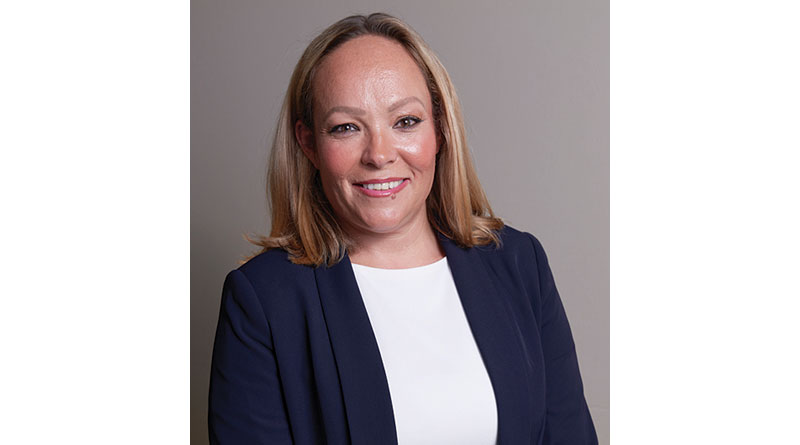
By Hannah Strawbridge, Solicitor & Founder, Han Law, part of Inspire Legal Group (www.hanlawco.com)
If you run a pub, restaurant, bar or hotel, you’ll already know that staff shortages, rota chaos, sickness cover, and rising costs are your daily reality. Now, with the Government’s Employment Rights Bill moving through Parliament, there’s another big change coming, and hospitality is firmly in the spotlight.
Here’s what’s changing, what it means in practice, and how to get ahead of it.
1. Zero-hours is changing, expect guaranteed hours, notice of shifts, and cancellation pay.
Workers who regularly pick up hours will be entitled to guaranteed hours based on what they actually work, reasonable notice for shifts, and short-notice compensation if shifts are cancelled. For pubs, bars, and hotels that rely on flexible rotas, this could mean paying staff even when business is quiet. The key is to plan shifts realistically. If you wouldn’t pay for a cancelled shift, don’t schedule it.
2. Redundancy consultation will cover the whole business, not just one site.
The law will now look at total redundancies across the organisation, not just at one site. If 20 or more roles are affected, you’ll need to collectively consult, even if it’s across multiple venues. The penalty for getting this wrong, doubles to 180 days’ pay per person. For multi-site operators, this means planning headcount changes at group level, not site-by-site.
3. Statutory Sick Pay becomes ‘day one’ and covers more staff.
Waiting days are being scrapped, and the lower earnings limit is being removed. This means most casual and part-time workers will now qualify for sick pay from their first day of illness. So now, operators will need clearer absence reporting, return-to-work processes, and consistent documentation.
4. Tips and service charge consultation becomes mandatory.
On top of the new ‘pass all tips to staff’ rule, employers will have to consult staff on how tips are shared and review policies every three years. Tribunal claims will be possible if consultation doesn’t happen, so if you haven’t updated your tips policy yet, now’s the time.
5. Day-one unfair dismissal and statutory probation periods are on the way.
The two-year rule for unfair dismissal protection is going. Employers will still be able to dismiss during probation, but only if proper processes are followed. For hospitality, this means written probation policies, clear feedback, and consistent records are now essential.
In practice
At Han Law, we’re already seeing cases that foreshadow these changes. In one recent hotel case, a casual bartender who’d worked 25–30 hours a week for months claimed she was effectively permanent. Under the new rules, she’d be entitled to a guaranteed-hours offer. We’ve also advised a restaurant chain facing redundancies across several sites — soon, that will require formal consultation and HR1 notification.
Another case involved rota changes mid-service to save wage costs. Under the new Bill, those cancellations would have triggered ‘short-notice pay’. The message is clear: flexibility isn’t disappearing, but it now comes at a price, and documentation will be your best protection.
Five things to do now
• Audit your zero-hours and casual staff — track their average weekly hours and prepare guaranteed-hours offers.
• Update your rota policy — define reasonable notice and short-notice pay rates.
• Plan redundancy consultations at a group level, not by site.
• Update your SSP and absence management policies for day-one eligibility.
• Consult staff on your tips policy and diarise the three-year review requirement.
My Take
Hospitality thrives on flexibility, but the new Bill prices that flexibility. The operators who prepare now, with clear policies, good communication, and consistent processes, will adapt easily and avoid costly disputes. Those who don’t, risk being caught out by the fine print.