
Clarkson Questions UK Business Climate as He Hints at Overseas Pub Plans
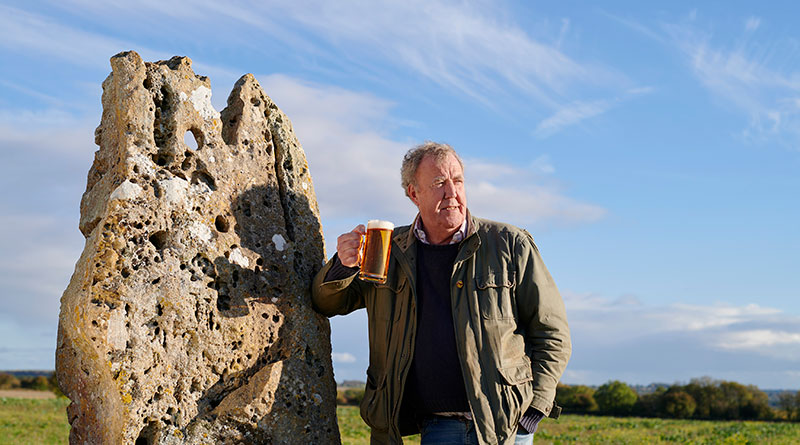
Jeremy Clarkson has suggested that any future expansion of his pub business could take place outside the UK, arguing that current trading conditions make starting a new business in Britain increasingly difficult.
The television presenter, farmer and owner of The Farmer’s Dog in Oxfordshire made the comments during an appearance at the Conservative Party conference, where he was asked whether he would consider opening another pub.
Responding to a question from shadow environment secretary Victoria Atkins, Clarkson said he could potentially look at establishing a venue overseas, although he acknowledged that the idea remained more of a personal ambition than a firm plan.
“I’ll see if I can do it abroad somewhere. I probably won’t, but I’m dreaming of it,” he said.
Asked about the prospect of opening another business in the UK, Clarkson was considerably more critical of the current environment for entrepreneurs.
“Why would anybody set up a business in this country right now?” he asked.
His remarks come as pubs, restaurants and other hospitality businesses continue to face pressure from rising employment costs, higher operating expenses and uncertainty surrounding the future of business rates.
From farming to hospitality
Clarkson entered the pub trade in 2024 after taking over The Windmill, a pub near Burford in Oxfordshire, subsequently reopening it as The Farmer’s Dog.
The venture followed the success of Diddly Squat Farm and the Amazon series Clarkson’s Farm, which has brought considerable attention to the financial, regulatory and practical challenges associated with running a rural business.
The Farmer’s Dog has similarly provided Clarkson with a high-profile platform from which to comment on the pressures facing businesses, particularly those operating in rural communities.
His latest comments will resonate with many hospitality operators facing a combination of increased wage bills, employer costs, taxation and other overheads.
For the pub sector, employment costs have been a particular concern, with operators warning that further increases can be difficult to absorb without raising prices, reducing staffing levels or cutting investment.