
Health Agency Confirms National Salmonella Outbreak Linked To Eating Out, With Imported Eggs Under Scrutiny
The UK Health Security Agency (UKHSA) has confirmed a national outbreak of salmonella poisoning that has claimed one life and left hundreds of people unwell, with early evidence pointing towards meals eaten in restaurants, cafés and takeaways rather than food prepared at home.
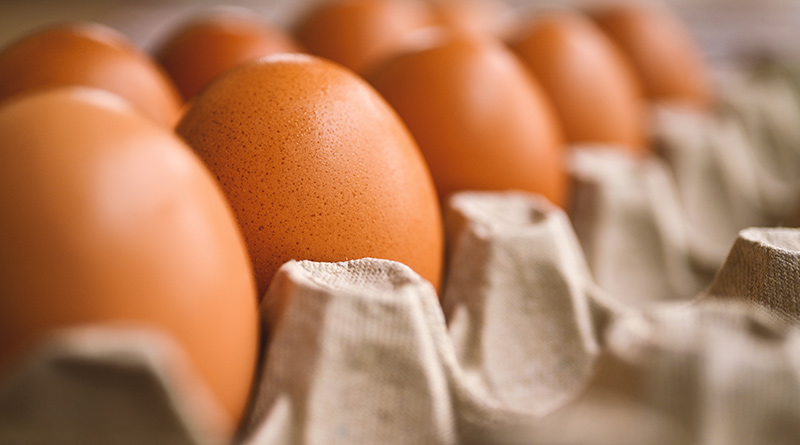
While the exact source has not been formally established, health officials say imported eggs — or dishes containing them — are currently the leading suspected cause. The outbreak has significant implications for the hospitality sector, given that the vast majority of those affected reported having eaten out shortly before falling ill.
Cases linked to the outbreak were recorded between 11 August 2025 and 1 August 2026, although the sharpest rise in reported illness came last month. In total, 207 cases have been confirmed across the UK, the overwhelming majority of them in England.
A regional breakdown shows 199 cases in England, six in Scotland, and one apiece in Wales and Northern Ireland. Within England, London accounts for the highest concentration with 47 cases, followed by Yorkshire and the Humber with 38.
UKHSA’s Gastrointestinal Infections, Food Safety and One Health division carried out interviews with 114 people affected by the outbreak. Of these, 95 — around 83 per cent — said they had eaten food prepared away from home during the week before they became ill.
Investigators have identified five food businesses where two or more unconnected cases of illness were reported by customers, collectively accounting for 24 of the confirmed cases. UKHSA has not named or otherwise identified any of the premises involved, and the investigation remains ongoing.
Eleven of those interviewed specifically recalled eating egg-based dishes, reinforcing officials’ suspicion that eggs are a likely vehicle for the outbreak. Supply chain tracing has shown that the businesses under investigation source their eggs from a number of different suppliers, including companies that import eggs from overseas. No connection has yet been made to eggs or poultry produced within the UK.
Public health researchers have drawn a direct link between this outbreak and a similar incident recorded in 2025, which was also traced to imported eggs.
Dr Safi Rehman, a research associate at King’s College London, said the strain identified in the current outbreak closely resembles the one behind last year’s cases. She described the recurrence as part of a wider pattern rather than a standalone event, noting the genetic similarity between the two outbreaks.
Nick Allen, The British Egg Industry Council (BEIC) Chief Exec said: “It is deeply concerning that imported eggs are once again under scrutiny in connection with a serious Salmonella outbreak.
“We have repeatedly raised concerns about the risks associated with imported eggs and egg products with Government, most recently through our Shell Shocked report. British Lion egg producers have invested heavily in world-leading food safety controls, including mandatory Salmonella vaccination, traceability and independent auditing, yet increasing volumes of imports produced under less stringent regulations continue to arrive.
“There must be a level playing field. Imported eggs and egg products entering the UK should meet standards equivalent to those expected of British producers if we are serious about protecting British consumers. Food businesses and caterers should not have to compromise on food safety when sourcing eggs.
“Consumers and businesses can look for the British Lion mark as a clear sign of assurance. British Lion eggs are recognised by the Food Standards Agency as safe to be served runny or even raw to vulnerable groups.”