
Tom Kerridge Takes Hospitality VAT Reduction Proposals Directly to Treasury
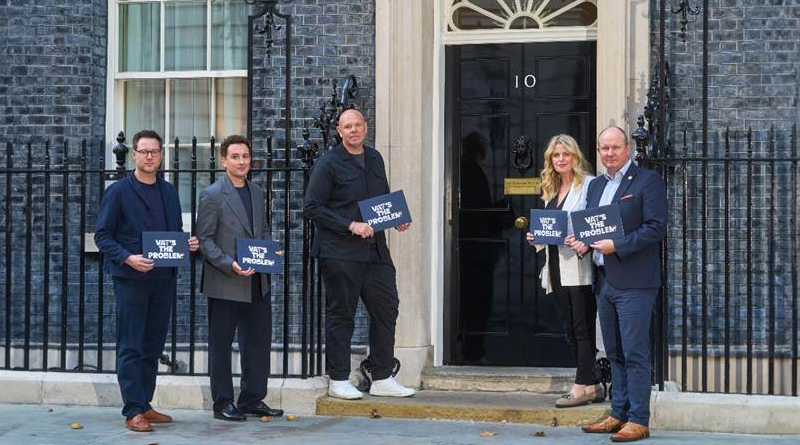
Chef and hospitality operator Tom Kerridge has taken his campaign for a reduction in hospitality VAT directly to the Treasury, presenting ministers with proposals which he believes could stimulate business growth, encourage investment and protect jobs across the sector.
In an update shared on social media on Friday, 13 November, Kerridge revealed that he had held two meetings with Treasury representatives during the previous month, one ahead of the Autumn Budget and another following the Chancellor’s announcement.
During the discussions, he presented what he described as a roadmap outlining how even relatively modest reductions in VAT could deliver positive economic benefits for pubs, restaurants and the wider hospitality industry.
Kerridge believes a lower rate of VAT could help businesses improve their financial resilience, reduce the risk of further closures and create the conditions for greater employment, investment and regeneration in communities across the UK.
He explained that the proposals were intended to demonstrate to the Government that reducing the tax burden did not necessarily have to involve a substantial initial change to generate benefits for the industry.
The chef confirmed that he was awaiting a response from the Treasury and intended to maintain discussions with ministers, stressing that the campaign would continue to press for meaningful reform.
Growing Parliamentary Pressure
Kerridge’s intervention followed a Westminster Hall debate on Thursday, 12 November, examining the impact of hospitality VAT on businesses, employment and local economies.
The debate was secured by Labour MP Chris Webb, who has been among those supporting calls for a change in the current tax arrangements.
Kerridge subsequently confirmed that he had met with Webb to discuss the campaign and the next steps in encouraging the Government to reconsider its position.
However, the Treasury maintained its opposition to a reduction during the parliamentary debate, highlighting the substantial financial implications for the public finances.
Financial Secretary to the Treasury James Murray told MPs that reducing VAT from the current 20% to 10% across accommodation and food and beverage services would cost an estimated £11 billion annually.
A reduction to 15%, meanwhile, was estimated to result in an annual cost of approximately £5 billion.
The Government’s position reflects the difficult balance between providing financial relief to hospitality operators and managing the wider demands on public finances.
The latest discussions come as the campaign for a hospitality VAT reduction continues to attract considerable support from within the industry.
The VATs The Problem petition passed 400,000 signatures in October, underlining the strength of feeling among operators and supporters who believe the existing tax structure places UK hospitality businesses at a competitive disadvantage.
Industry representatives have repeatedly argued that the combination of rising operating costs, employment expenses, business rates and taxation is putting considerable pressure on pubs, restaurants, hotels and other hospitality venues.
Taking to social media operators praised Kerridge for his action saying: “Please push for ALL small businesses as we are crippled too…. Not just hospitality. I am on the line whether mine stays open as the costs too high.”
“So much respect for this, going into their world, the treasury, and using your platform in this way. Passion for the industry you love is never ending.”
“I never thought I’d see the day hospitality struggled. I certainly never considered it would become impossible to even make ends meet. My family owned a pub for two decades in a village with two pubs.
“They were the beating heart of the community.
“We sold in 2019 just before Covid and it’s been barely open since. Same with the other.
With so many pubs willing to adapt and evolve knowing the landscape has changed, to be crucified by rates is just appalling and so short sighted.”