
Card Spending Sees Greatest Fall since 2021 in November
Consumer card spending declined -1.1 per cent year-on-year in November – the greatest fall recorded since February 2021 (-9.5 per cent), and considerably lower than the latest CPIH inflation rate of 3.8 per cent. Amid ongoing consumer uncertainty, essential spend dropped -2.9 per cent, marking seven consecutive months of decline, while non-essential spending fell (-0.3 per cent) for the first time since July 2024.
Overall retail spending dipped -1.1 per cent in November, however retailers enjoyed their busiest day of the year so far on Black Friday (28th), with transaction volumes up 62.5 per cent in comparison to the average day in 2025
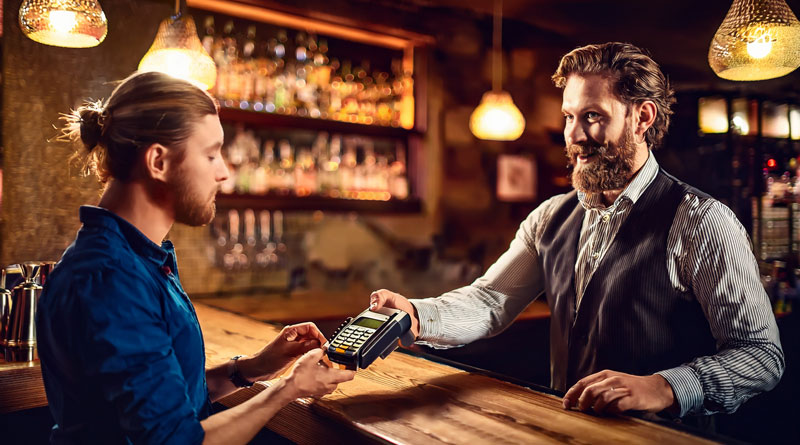
Food and drink merchants also benefitted from the increase in high street footfall, with transactions up 28.9 per cent versus the year-to-date average, despite the sector’s overall slowdown of -1.1 per cent in November.
Travel agents were up 10.7 per cent – the category’s greatest increase since December 2023 (12.8 per cent) – as the sales encouraged jetsetters to lock in holiday deals for next year.
Wellness sustains healthy growth
The focus on wellness is influencing behaviour among younger consumers. Two in five (42 per cent) of those aged 18-34 say they have been opting for more ‘low-and-no’ and functional drinks in recent months, while over half (51 per cent) have gone on fewer nights out in 2025, with spending at bars, pubs and clubs down -1.5 per cent in November.
Similarly half (48 per cent) now prefer socialising in ways that support health and wellbeing, while two in five (41 per cent) have been combining social catch-ups with exercise, such meeting for a gym class, cycle or run.
‘Drinkflation’ and ‘shrinkflation’ in the spotlight once again
Looking ahead to the festive period, 38 per cent expect that they’ll drink less than usual this Christmas, rising to 48 per cent for 18-34s. For those drinking less, 27 per cent said they’re doing so to cut costs. Meanwhile two in five (37 per cent) have noticed alcoholic drinks being impacted by ‘drinkflation’, where drinks become smaller or contain less alcohol, yet cost the same or more than they used to, up from 22 per cent in 2023.
where companies add extra and hidden charges at the checkout. Over one in four (27 per cent) chose dynamic or surge pricing, where prices increase based on demand, while two in five (39 per cent) said they supported the Government’s plan to clamp down on this in the entertainment industry by banning the resale of event tickets for a profit.
Consumer confidence lags behind 2025 average
Consumer and economic confidence were subdued in November, after all seven measures tracked by Barclays declined in October. Research conducted between 21st-25th November showed that confidence in the UK economy remained at 22 per cent, on par with October.
UK adults’ confidence in their household finances improved marginally from 63 per cent to 64 per cent, however this was below 2025’s 70 per cent average, and lower than November 2024 (69 per cent). Among those who are not confident in their household finances, over half pointed to the rising cost of living (52 per cent), while 44 per cent are worried about what the next 12 months will look like.
Karen Johnson, Head of Retail at Barclays, said: “November was a month marked by uncertainty, as consumers were awaiting seasonal discounts and the details of the Autumn Budget. Retailers will have welcomed the Black Friday boost they received, which will hopefully set the tone in the run up to Christmas.”
Jack Meaning, Chief UK Economist at Barclays said: “Even with a boost from Black Friday, consumer spending remained muted as we moved through the final quarter of the year. 2025 has been defined by this economic deceleration. The question remains as to whether easing interest rates and falling inflation can offset this trend and spur a rebound in consumer spending, or whether tightening fiscal policy and continued uncertainty will see the malaise continue in 2026.”