
Ramsay’s Festive Service Charge Sparks Industry Debate
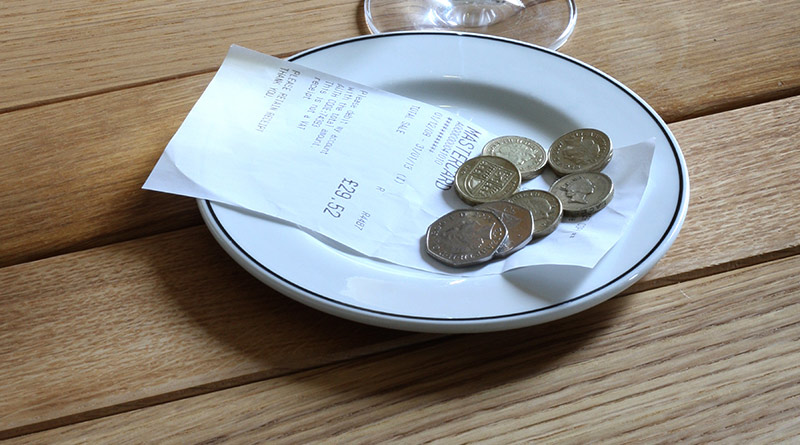
Gordon Ramsay has reignited the ongoing conversation around service charges in UK hospitality after applying a 20 per cent discretionary levy to festive menus at his London restaurant Lucky Cat — a rate significantly above the industry norm.
The celebrity chef and restaurateur, whose broader estate typically operates on a 15 per cent service charge, applied the higher rate to Christmas and New Year menus at the Mayfair Asian-inspired venue, which first opened its doors in 2019. The charge was noted on the menu, albeit in small print, informing diners that the additional cost would be added to their final bill.
The move places Ramsay’s festive offering well above the 10 to 12.5 per cent service charge that remains standard practice across most UK restaurants and hospitality venues. Notable operators maintaining that conventional benchmark include Marco Pierre White’s English Chophouse in Whitechapel, Raymond Blanc’s Brasserie Blanc, and Heston Blumenthal’s acclaimed Fat Duck.
The decision has prompted fresh debate across the trade at a time when operators are navigating a uniquely challenging cost environment. Rising employment costs, energy bills, food price inflation and persistent staffing pressures have all squeezed margins considerably, leading some businesses to reassess how they structure pricing and additional charges. Many operators argue that service charges remain a vital mechanism for sustaining competitive wages — particularly for front-of-house teams working in high-cost city locations.
Yet not all industry voices are in agreement. Some operators caution that charges exceeding 15 per cent risk damaging customer trust and raising questions around pricing transparency. The consensus among this camp is that any upward movement in service charge rates must be clearly justified — whether by exceptional service standards or the specific demands of peak trading periods such as the Christmas season.
The debate also casts a spotlight on the growing cultural drift towards American-style tipping norms. In the US, gratuities of 20 per cent or above are broadly expected and deeply embedded in dining culture. The UK has traditionally maintained a more modest and informal approach to tipping, though that distinction has become increasingly blurred as mandatory or semi-mandatory service charges become the norm across both casual and premium dining segments.