
Revealed: UK Pubs Could Make Just 3p Profit For Every £1 Spent On A Pint
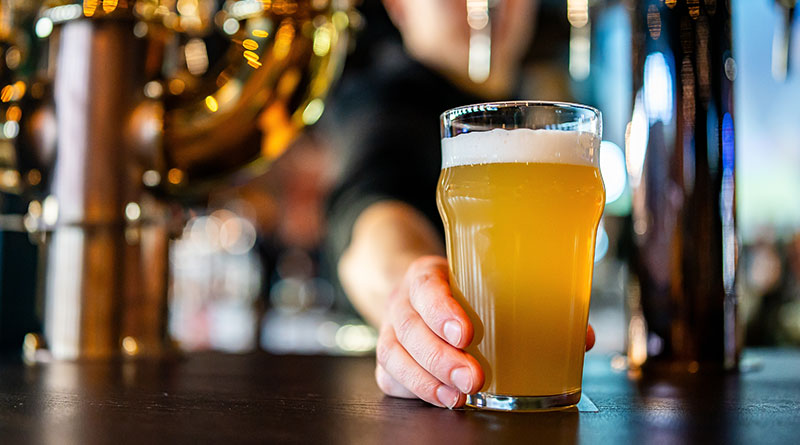
As the number of UK pubs continues to fall, new research suggests that for every £1 spent on a pint in 2026, UK wet-led pubs could be making just 3p in profit – down from 5p last year and 7p the year before.
To understand where money spent at the pub actually goes, money.co.uk business current account experts analysed cost data from the British Beer and Pub Association (BBPA), modelling how key operating expenses have changed year-on-year.
While consumers have seen the average draught pint rise(1) over the past two years, the profit from each pint appears to have dropped by more than half over the same period, according to the research.
Rising costs – including wholesale prices, wages, business rates, and beer duty – are steadily eating into margins in 2026. Beer duty has increased by 3.66% this year adding roughly £35 a week to costs, while wages are expected to cost around £229 more.
Wholesale food and drink costs are estimated to account for 41% of revenue, while wages make up around 31%, the two largest costs overall.
After utilities (4%), business rates (3%) – a tax paid on the pub building itself – and other operating costs are accounted for, just 6% in gross profit could remain, equal to 6p from every pound, before rent is deducted.
After rent, which industry guidance on pub budgets from the BBPA states can cost around 50% of gross profit, the typical wet-led pub could be left with just 3p in profit from every pound spent at your local.
For pubs charging an average of £5.17(2) for a pint of lager, that would equate to around 16p profit per pint. These persistent cost pressures could make the much-discussed £10 pint(3) an increasingly realistic possibility in the UK’s more expensive areas.
This comes as pub numbers across the UK continue to fall(4), and landlords face a balancing act: attempt to absorb rising costs and erode already-thin margins, or continue to pass them on to customers and risk losing trade.
Jake Pemberton, landlord of The Gladstone in Nottingham, says: “Increases in beer prices often don’t cover the rise in everything else that pubs have to deal with. Many small, independent pubs simply can not survive with business rates, energy bills, minimum wage, VAT, taxes etc. It all adds up and I don’t think all customers take that into account when we change our prices.
“Higher beer prices keep people at home and it’s significantly affecting British pub culture. Communities are suffering, as pubs & pub goers often come hand in hand with community spirit. At the same time, we’re losing traditional pubs as wet led pubs are dying, with more becoming food focused and family oriented.
“This year, our prices can’t increase at the same rate. Three of my real ale products needed a 15p rise to keep the same gross profit, however I’m aware pubs have a ceiling to what they can charge and I feel like I’m getting closer to that ceiling, so could only add 10p. This means on those products I’m losing gross profit this year.”
Joe Phelan, money.co.uk business current accounts expert, says: “It’s easy to assume that rising pint prices mean pubs are making more money, but the reality is very different. Our data shows margins are shrinking, with only a few pennies left from every pound spent once costs, including rising beer duty, are covered. Without support, we risk losing not just businesses, but a cornerstone of British culture.
“With margins under such pressure, careful financial management is becoming more important than ever. Using a business current account with integrated reporting tools can help landlords keep track of costs, monitor cashflow, and make informed decisions to protect profits and keep their doors open.”