
Scottish Tourism Chief Urges New Parliament to Prioritise Hospitality and Tourism Growth
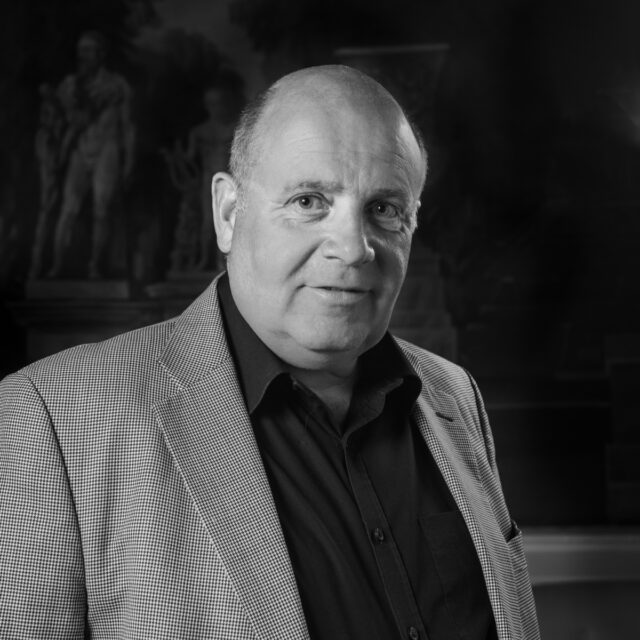
The head of the Scottish Tourism Alliance (STA) has issued a clear message to the nation’s incoming Members of Scottish Parliament (MSPs): back the tourism and hospitality sector — or risk undermining one of Scotland’s most powerful economic engines.
In an open letter to newly elected members of the Scottish Parliament, Marc Crothall MBE, Chief Executive of the STA, outlined both the immense value of the industry and the urgent challenges threatening its future competitiveness.
Tourism-related industries are now the single biggest source of employment in Scotland, Crothall emphasised, supporting around 239,000 jobs and more than 16,000 businesses across the country. Visitor spending contributes an estimated £11.4 billion annually to the economy, sustaining livelihoods in every constituency — from city centres and coastal resorts to rural and island communities.
“Tourism doesn’t simply benefit from a strong economy; it drives one,” Crothall warned. “Our sector underpins Scotland’s communities and global reputation, but it can no longer be taken for granted.”
He described the industry as one of Scotland’s most significant export earners, attracting external spending and acting as a “shop window” that influences how the world perceives Scotland as a place to visit, work, live, study and invest.
Despite its size and impact, recent STA research revealed that half of Scotland’s tourism and hospitality businesses are at risk due to low cash reserves — a figure Crothall said “should concern every incoming MSP.”
Operators are grappling with a combination of rising costs and structural challenges, including:
- Escalating operating and energy costs
- Workforce and skills shortages
- Punitive business rates and tax pressures
- Housing shortages in rural and island areas
- Transport and digital connectivity gaps
- A growing regulatory and compliance burden
- Heightened global competition in value-sensitive markets
“These are not side issues,” Marc Crothall stated. “They go to the heart of whether businesses can recruit, invest, grow, and compete. Without decisive action, we risk eroding the quality and competitiveness of Scotland’s visitor offer.”
A Blueprint for Growth
The STA’s open letter sets out a nine-point plan calling for practical political commitment:
- Appoint a dedicated Cabinet Secretary or Minister for tourism and hospitality.
- Accelerate business rates reform to ease pressures on operators.
- Collaborate with industry to shape a new set of pro-growth policies.
- Develop a national Tourism and Hospitality Growth Plan recognising the sector as a key export industry.
- Invest long-term in competitiveness, skills and business confidence.
- Address recruitment and retention through urgent people-focused investment.
- Embrace innovation and technology, including AI, to sustain future growth.
- Host a national economic policy debate spanning governments and parties.
- Deliver world-leading transport and digital infrastructure for 21st‑century tourism.
Crothall’s message is unequivocal: Scotland’s next Parliament must treat tourism as a national economic priority.
“Every MSP represents tourism and hospitality businesses in their own region,” he said. “This is an industry that touches every community and has the power to deliver more jobs, more investment and stronger public services — if given the right conditions to flourish.”
With global competition intensifying, Marc Crothall urged policymakers to move beyond rhetoric. “Businesses need more than warm words,” he wrote. “They need confidence and a supportive environment to invest, recruit and grow. If we get this right, the rewards will be felt across the whole of Scotland.”