
Consumers Cut Back On Fast Food As Cost Of Living Continues To Rise, With Biggest Drop In Footfall For Two Years
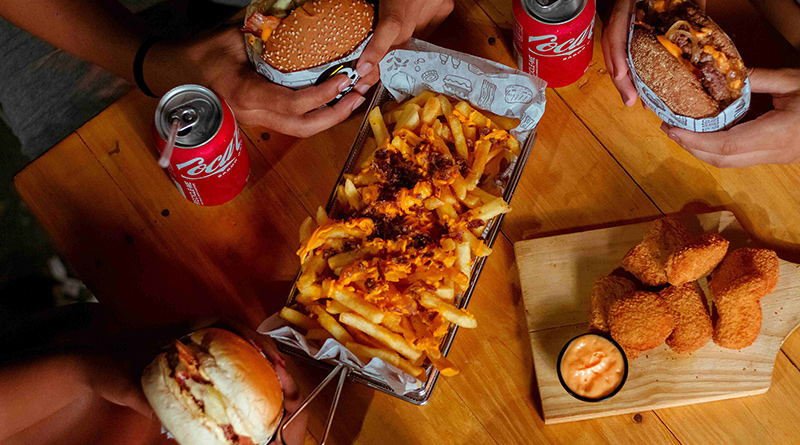
Fast food and casual dining restaurants saw their steepest decline in consumer traffic for two years in the first quarter of 2026, as the cost of living continued to rise and consumer sentiment weakened.
New data from Meaningful Vision – which tracks customer visits, pricing, promotions, and store openings at top UK fast food, pubs, and casual dining outlets – showed footfall fell -2.3% across the more than 60,000 outlets the firm monitors during the three months to the end of March, the biggest fall since January 2024.
Pub and restaurant traffic declined sharply – down -7.6% during the quarter – after seeing a -6.9% decrease in 2025. Even the typically resilient fast food sector saw a -1.2% fall, compared to 1% growth during the same period last year, with only chicken shops (6.2%) and ethnic food stores (3.5%) welcoming more customers.
Only the South East (2.7%), Greater London (4.1%), and the South West (15.9%) saw a rise in footfall during January to March. This could also be a result of the cost-of-living crisis and travel disruption, as Brits started to save more on international trips by booking local weekend or holiday destinations instead. By contrast, London saw a -5.8% decline in customer traffic and its share of the total market shrunk by -0.8% – the highest of any region.
While figures from the Office for National Statistics (ONS) suggested the retail inflation for food and beverage products rose from 3% to 3.7% in the first quarter of 2026, Meaningful Vision’s analysis indicated prices in restaurants grew up to 8% – 2.3% higher than a year ago. This accelerated in February and March after three months of stable inflation, with increases across all categories – particularly ‘extras and dips’ (13.6%) and hot drinks (13.5%).
Against such an uncertain backdrop, fast food and casual dining chains began to put a brake on their expansion plans. Outlet growth has more than halved since the third quarter of 2025, falling from 2.4% to 1.1%.
Chicken and ethnic food stores were the only sectors to increase their number of outlets in Q1 2026, with 6.2% and 3.5% growth respectively. Meanwhile, the number of pizza stores continued to fall, with a -3.2% fall compared to the same time last year, building on the -1% decline during 2025 – when it was the only market segment to contract.
Maria Vanifatova, CEO of Meaningful Vision, said: “The performance of the fast food and casual dining markets is becoming more concerning – last year the fast food sector grew 1% and has now swung to a decline of -1.2%. Part of the reason for that is the pace of new openings has slowed significantly so far in 2026, with the rate of expansion now running at half the level seen previously. But more importantly, like-for-like traffic has weakened further as consumers cut back on spending in a tough economy.
“One of the clear drivers for that is undoubtedly inflation – prices went up at their highest rate for 15 months in February. While there was some improvement in March, given the geopolitical situation in the Middle East and the protracted impact this is likely to have on inflation, prices could continue to rise further. That will only put even more pressure on a hospitality sector that is already struggling with challenges on a number of fronts, with the only reprieve being more people opting to staycation potentially providing a boost in the summer months.”