
Andy Burnham Becomes Prime Minister: What It Means for Pubs, Bars and the Wider Hospitality Sector
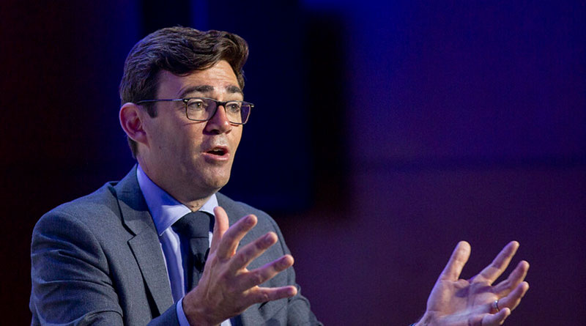
Andy Burnham has today become the United Kingdom’s new Prime Minister, taking office after Sir Keir Starmer travelled to Buckingham Palace to formally resign, with Burnham accepting King Charles III’s invitation to form a government shortly afterwards. The former Greater Manchester Mayor becomes the UK’s seventh Prime Minister in a decade, and the first in modern times to enter Downing Street having built his political profile largely outside Westminster.
For the hospitality and licensed trade, the change of leadership arrives with a degree of cautious optimism rarely afforded to an incoming premier. Burnham has spent much of his leadership campaign courting the sector directly, and operators, trade bodies and industry commentators will now be watching closely to see how many of those pledges survive contact with the Treasury.
Business rates at the centre of his offer
The centrepiece of Burnham’s pitch to hospitality has been business rates reform. He has repeatedly pledged to cut business rates for pubs, clubs and music venues by 20%, building on the reliefs already in place following changes introduced earlier this year. He has also committed to raising the threshold for 100% Small Business Rates Relief from £12,000 to £18,000, and extending tapered relief from £15,000 to £21,000 — changes that would take a significant number of smaller, independent premises out of the rates system altogether. Cafés, shops and hairdressers would see business rates abolished entirely under his plans.
Burnham has proposed funding the changes through what has been dubbed an “Amazon tax” — higher business rates levies on the large fulfilment centres and warehouses used by online retail giants, on the basis that bricks-and-mortar hospitality and high street businesses currently shoulder a disproportionate share of the burden compared with online competitors.
Not everyone is convinced the sums add up. Analysis from property specialists Colliers has warned that hotels could be left “hanging out to dry” under the plans, with UKHospitality figures suggesting the average hotel’s business rates bill could rise by 115% by April 2029 unless wider reform follows. Colliers also questioned whether Burnham’s plan to fund relief through higher levies on online warehouses was realistic given wider fiscal pressures.
VAT: support without a firm commitment
Burnham has publicly backed calls for hospitality VAT to be cut from 20% to 10%, aligning himself with the Tom Kerridge-fronted #VATsTheProblem campaign, which passed 100,000 signatures within days of launching. However, he has stopped short of making a firm manifesto commitment to the cut, instead prioritising business rates reform as the primary lever of support. Kerridge himself welcomed Burnham’s backing, describing him as someone who “understands nightlife, food, hospitality and entertainment” and urging the sector to get behind him.
National Insurance and cost pressures
Alongside rates and VAT, Burnham has pledged to review the increase in employers’ National Insurance Contributions, acknowledging the strain higher payroll costs have placed on labour-intensive sectors such as hospitality. No detailed timeline or costing has yet been set out for this review.
Industry reaction
Trade bodies have broadly welcomed the direction of travel while pushing for more. British Beer and Pub Association chief executive Emma McClarkin said a further 20% cut to business rates would be “a real boost for the local,” while raising the threshold would “take many smaller pubs out of paying rates” altogether. UKHospitality chief executive Allen Simpson called the current business rates system “broken and in need of reform,” but stressed that any effective high street strategy needed to address the whole hospitality sector, including a 10% VAT rate, rather than pubs alone. The Night Time Industries Association has also welcomed Burnham’s ascent to Downing Street.
Ben Chaplin, co-founder and executive chef at Bigger Boat Hospitality, noted that Burnham built a strong relationship with the sector during his time in Manchester — but said the real test now would be whether he can deliver the same level of support nationwide.
A different kind of Prime Minister
Burnham, 56, has said he intends to split his working week between London and Manchester, establishing a so-called “Northern No.10” as part of a wider pledge to move political power away from Westminster. Whether that translates into a genuinely different approach to engaging with hospitality businesses outside the capital — many of whom have long complained that policy is designed with London in mind — will be one of the sector’s early tests of his premiership.
What happens next
With Burnham only recently returned to Parliament after leaving Westminster in 2017 to become Mayor of Greater Manchester, he inherits an economy that remains sluggish and a sector still nursing the effects of last November’s Budget, when Covid-era rates discounts were cut from 75% to 40%, before a £100m support package was announced in January after Government acknowledged it had underestimated the impact.
For now, the sector’s pledges remain exactly that — pledges. Attention will turn quickly to the Autumn Budget and any early fiscal statements for confirmation of how much of