
Ministers Rule Out Permanent Hospitality VAT Cut as MPs from All Aides press for relief
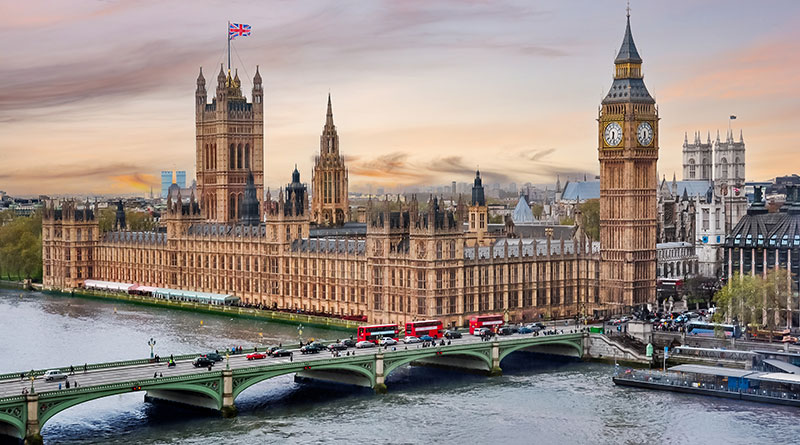
The Government has indicated it will not introduce a permanent cut to VAT on hospitality, despite cross-party calls in Parliament for lower rates to help pubs, restaurants and hotels.
During a Westminster Hall debate on Thursday, Financial Secretary to the Treasury James Murray said ministers had “considered carefully” the case for a 10% rate but had to weigh “significant fiscal implications”. He said the decision not to introduce a permanent reduction did not mean the Government was “standing aside” from the sector’s challenges.
Costings
Murray said HMRC estimates that cutting VAT on accommodation and food and beverage services from 20% to 10% would cost about £11bn a year. A cut to 15% would cost around £5bn, and 12.5% around £8bn. A 10% rate in Northern Ireland alone would cost about £300m.
He said the Treasury’s costings already account for behavioural effects, and that the Office for Budget Responsibility’s evidence is that such effects typically offset only part of the cost of a tax cut. Any reduction would have to be paid for through higher taxes elsewhere, lower spending or more borrowing, he added.
Murray also said the UK’s standard VAT rate is close to the OECD average and that VAT “should not be considered in isolation” from other costs. He acknowledged that France and Italy charge 10% on hospitality, Germany 7% and Ireland 9%.
When SNP MP Graham Leadbitter asked whether it was only a matter of time given the Prime Minister’s previous support for a cut, Murray said the Chancellor makes fiscal decisions at fiscal events.
Business rates and employment support
Murray pointed to measures in the Budget two weeks ago. From April 2027, all retail, hospitality and leisure properties in England will see business rates frozen in real terms, reduced or cut to zero. Pubs and all but the largest live music venues get an additional 20% reduction, and a higher small business rates relief threshold will take about 70,000 more retail, hospitality and leisure businesses out of rates altogether. He said half of all such businesses will pay no business rates from April 2027.
He also highlighted the doubling of the employment allowance from £5,000 to £10,500, and protected employer National Insurance relief for under-21s and apprentices up to 25. He said the hospitality sector has committed to create more than 100,000 opportunities for young people not in education, employment or training.
Northern Ireland pilot
The debate was opened by Tonia Antoniazzi, chair of the Northern Ireland Affairs Committee, on behalf of Blackpool South MP Chris Webb, chair of the APPG on hospitality and tourism. Webb arrived late after a personal matter and spoke next.
Antoniazzi said the Committee wants a four-year pilot cutting VAT to 10% on food (excluding alcohol) and accommodation in Northern Ireland. She said operators there compete directly with the Republic of Ireland, where rates are 9% on food and catering and 13.5% on accommodation. She said tour operators, conference organisers and wedding planners are increasingly choosing venues south of the border, and the Committee also wants the Treasury to examine Ireland’s experience of VAT cuts.
Calls for targeting
Many Labour backbenchers backed relief but stressed it should be targeted. Stroud MP Dr Simon Opher said a universal cut would cost about £12bn and give McDonald’s about £400m.
Bournemouth West’s Jessica Toale urged consideration of a time-limited cut from 20% to 13%, a proposal from Hospitality Voice backed by Bournemouth University research. Gloucester MP Alex McIntyre said any tax cut “needs to be paid for”, while welcoming the business rates measures.
Webb cited the Great British summer savings scheme, which temporarily cut VAT on attractions this summer, as a case study, and said Blackpool Pleasure Beach paid £1.9m more in tax after its turnover rose during the pandemic VAT cut. He also called for a Blackpool tourism enterprise zone and raised concerns about the proposed overnight visitor levy.
Opposition and other parties
Shadow Treasury minister Gareth Davies said the Conservatives support lower taxes on business, but any measure must be fully funded. He noted a 10% VAT cut is estimated at £10.5bn and said no one had explained how to pay for it. He instead set out Conservative plans to abolish business rates for 250,000 retail, hospitality and leisure businesses at a cost of £4bn, and to halve employer National Insurance for 21 to 24-year-olds at £2.3bn.
Backbench Conservatives, including Berwickshire, Roxburgh and Selkirk MP John Lamont, cited UKHospitality figures of three closures a day this year and nearly 100,000 jobs lost, and criticised the proposed visitor levy. Keighley and Ilkley MP Robbie Moore said £6.8bn of new costs had been placed on the sector through two Budgets.
The Liberal Democrats said they would cut VAT to 15% for a time-limited period, funded by an additional levy on banks. Wimbledon MP Paul Kohler, who owns a Covent Garden bar, asked the Treasury to commission a full cost-benefit analysis of a cut. The SNP reiterated its call for an immediate 10% rate, with Leadbitter citing more than 400,000 backers of UKHospitality’s “VAT’s the Problem” campaign.
The debate ended with the motion agreed without a vote.