
Record Boom in Sales of Lower Strength Beers
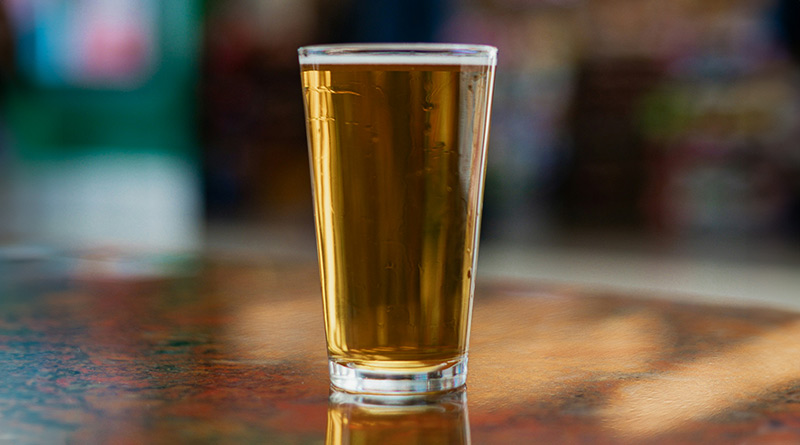
An alcohol duty regime change has led to a boom in lower-strength pint sales and 200 million units removed per year since 2023, latest research shows.
The results are proof that when Government supports business, business can boost the economy and help people choose lower strength options, the British Beer and Pub Association said.
In the Alcohol Duty Review in August 2023, drinks of 3.4% ABV and lower were granted a lower tax rate, along with a new draught duty relief to support pubs.
Since this came into effect, 200 million fewer units of alcohol have been removed every year up until 2025, research from Oxford Economics, British Beer and Pub Association and The Brewers of Europe.
Sales of lower strength beers – classed as between 1.3% and 3.4% – have boomed since the ADR, with brewers investing in a new range of lower strength beers, the BBPA said.
The subsector was only 0.4% of the market – the equivalent of 35m pints – in 2022 but, since the tax changes this has grown rapidly to over 12% of the market – equating to 912m pints, the leading trade body said.
Emma McClarkin, CEO of the British Beer and Pub Association, said: “It is clear that a progressive alcohol duty regime that incentivises lower strength products can help grow the economy, give people more options, and support public health goals.
“Beer is already a low strength alcohol beverage, but brewers have come up with an incredible choice of lower strength products, which means more people than ever before can moderate and pubs can give people a great choice.
“However, UK beer drinkers continue to pay amongst the highest duty rates in Europe and brewers and pubs face eye-watering increases in the cost of doing business.
“This is why we need to go further and cut beer duty to support our brewers and pubs, ensure a pint remains affordable for all, and help give consumers more choice.”
The analysis, produced by Oxford Economics and commissioned by the British Beer and Pub Association and The Brewers of Europe, said that the changes to the duty regime have helped businesses make firm progress towards meeting the key objectives the government set out.
It pointed to significant innovation through the reformulation of products to below 3.5% and increased consumption volumes of lower strength alcohol drinks.
The research, which looked at sales up until the end of 2025, said academic literature suggests that a reduction in alcohol units consumed of this scale would result in health benefits at a population level.
Pubs across the country now serve a huge range of beers, including lower strength alcohol beer and great alcohol-free beers, the British Beer and Pub Association said, which means that customers have a greater choice than ever.
The UK pays the third highest duty rate in European Union. The UK pays 12 times more than Spain and Germany and three times more than the European average.